TL;DR
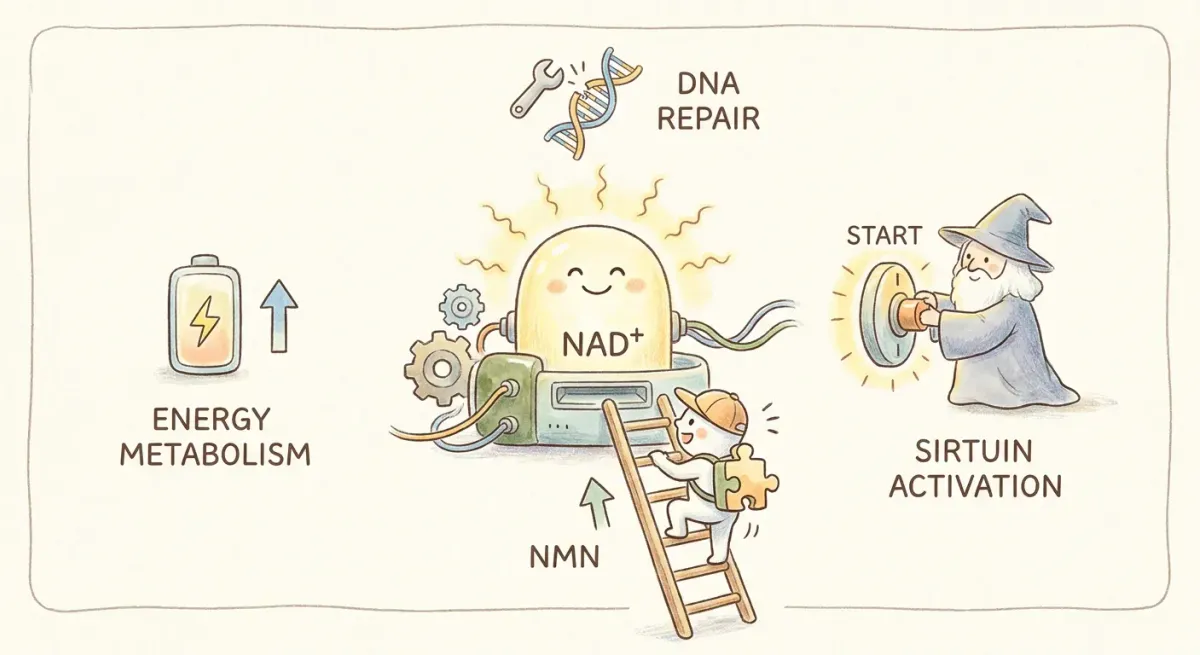
- NMN (β-nicotinamide mononucleotide) is a direct precursor to NAD+ — the coenzyme your cells use for energy metabolism, DNA repair, and sirtuin signaling. NAD+ falls with age; NMN is one way to refill the pool.
- Oral NMN reliably raises blood NAD+ at 250–900 mg/day. That part is well supported across multiple RCTs [Irie 2020, PMID 32357765; Yi 2023, PMID 36482258].
- But "raises NAD+" is not "reverses aging." Human trials show modest, biomarker-level effects — the strongest single result is improved muscle insulin sensitivity in one pivotal study [Yoshino 2021, PMID 33888596]. No hard longevity or disease outcomes are proven in humans.
- Absorption is more interesting than the brochure admits: NMN uses a dedicated intestinal transporter (Slc12a8) but is also partly converted to NR before uptake, and gut microbes reshape the route [Yaku 2025, doi 10.1126/sciadv.adr1538]. Formulation and stability genuinely matter.
- If you buy the raw material: demand β-NMN specificity (not the inert α form), an HPLC identity + purity report, stability data, and a per-batch COA. "98% pure" with no method is a red flag.
What NMN Actually Is
 Nicotinamide mononucleotide (NMN) is a nucleotide derivative — one phosphate group attached to nicotinamide riboside. Chemically it is small (334 Da) and water-soluble. Biologically, its entire job is to be the immediate precursor to NAD+ (nicotinamide adenine dinucleotide) in the salvage pathway, sitting exactly one enzymatic step upstream: NMN → (NMNAT) → NAD+.
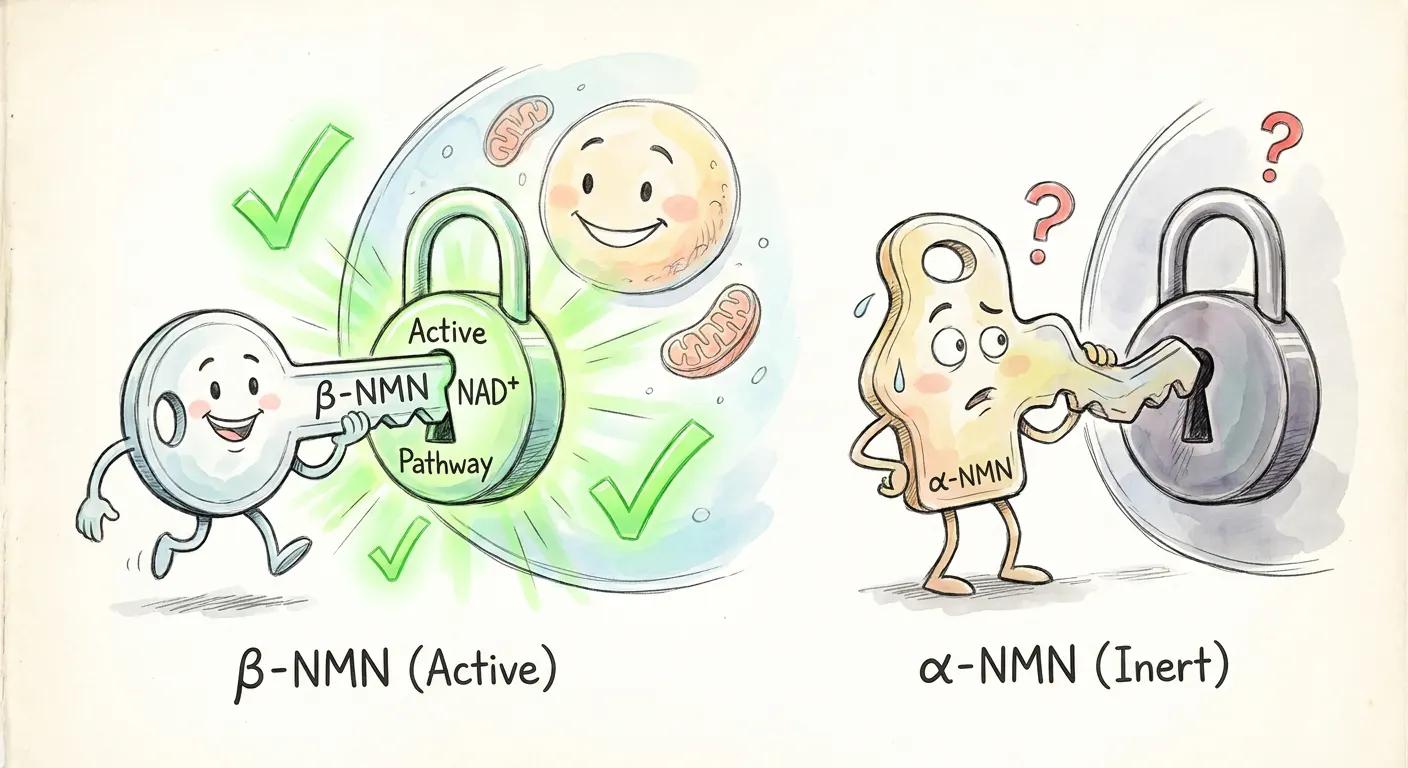
There is a detail buyers should care about: NMN exists as α and β anomers, and only β-NMN is the biologically active form. A spec sheet that simply says "NMN, 98%" without reporting the beta fraction is hiding the number that actually matters. This is the first thing a raw-material scientist checks, and it is the first thing most marketing copy omits.
Why NAD+ Is the Real Story
 NMN is not the headline. NAD+ is.
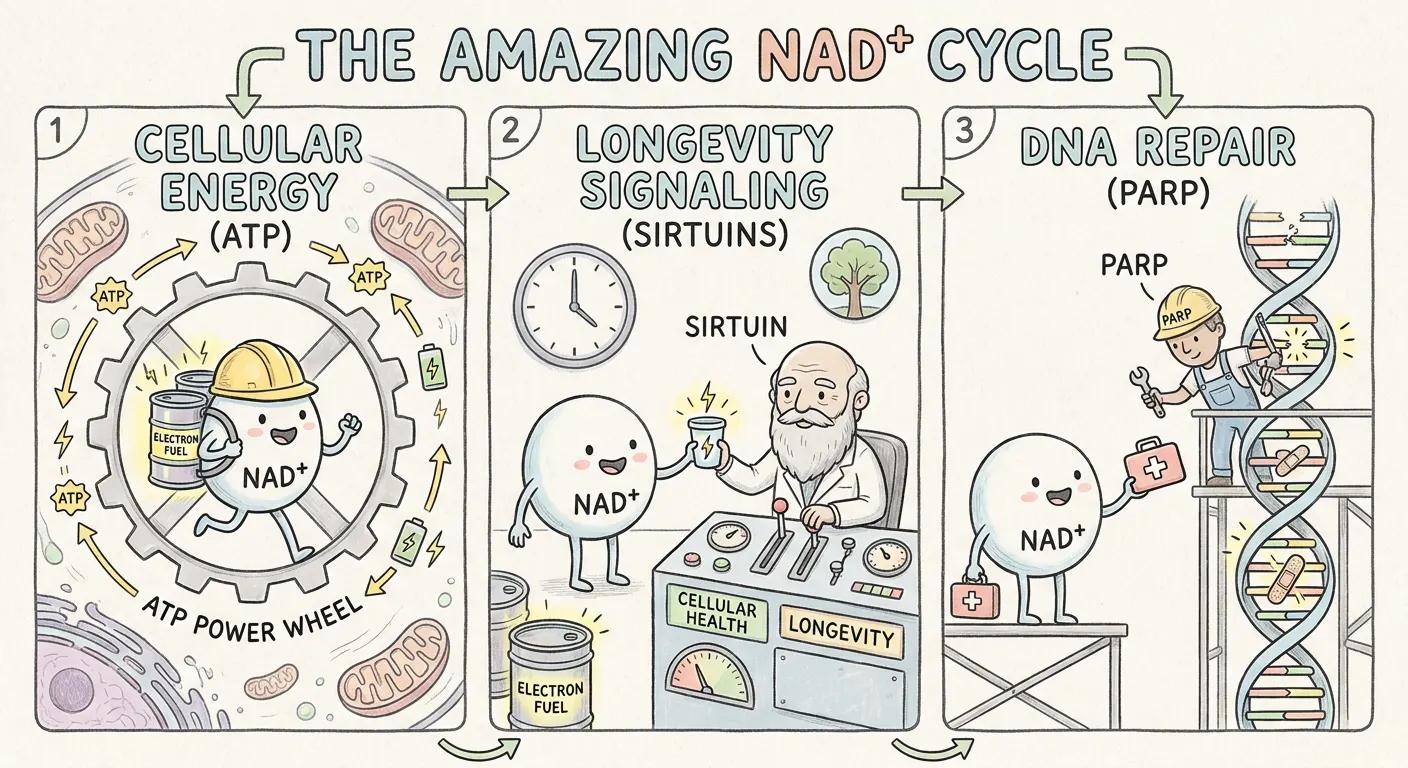
NAD+ is one of the most abundant molecules in your body, and it does three jobs that matter for anyone selling "anti-aging" actives:
- Redox coenzyme — it carries electrons in glycolysis, the TCA cycle, and beta-oxidation, i.e. it is central to how cells make ATP.
- Sirtuin fuel — the SIRT1–SIRT7 family of deacetylases, which regulate gene expression, mitochondrial function, and stress resistance, require NAD+ as a substrate.
- DNA-repair substrate — PARPs consume NAD+ to mend damaged DNA.
The problem aging introduces: intracellular NAD+ declines with age, driven substantially by rising activity of CD38, an ectoenzyme that burns NAD+ [reviewed in Signal Transduction and Targeted Therapy 2021, doi 10.1038/s41392-021-00723-z]. Lower NAD+ means less sirtuin activity, weaker repair, and a quieter metabolism. Restoring NAD+ is therefore the mechanistic promise behind the entire NMN / NR / NAD+ category.
One corollary worth stating plainly: NAD+ itself cannot be supplemented directly. It is a charged molecule that does not cross cell membranes efficiently. That is the reason the category sells precursors — NMN and NR — rather than NAD+.
How NMN Becomes NAD+ (and Why Absorption Is a Real Question)
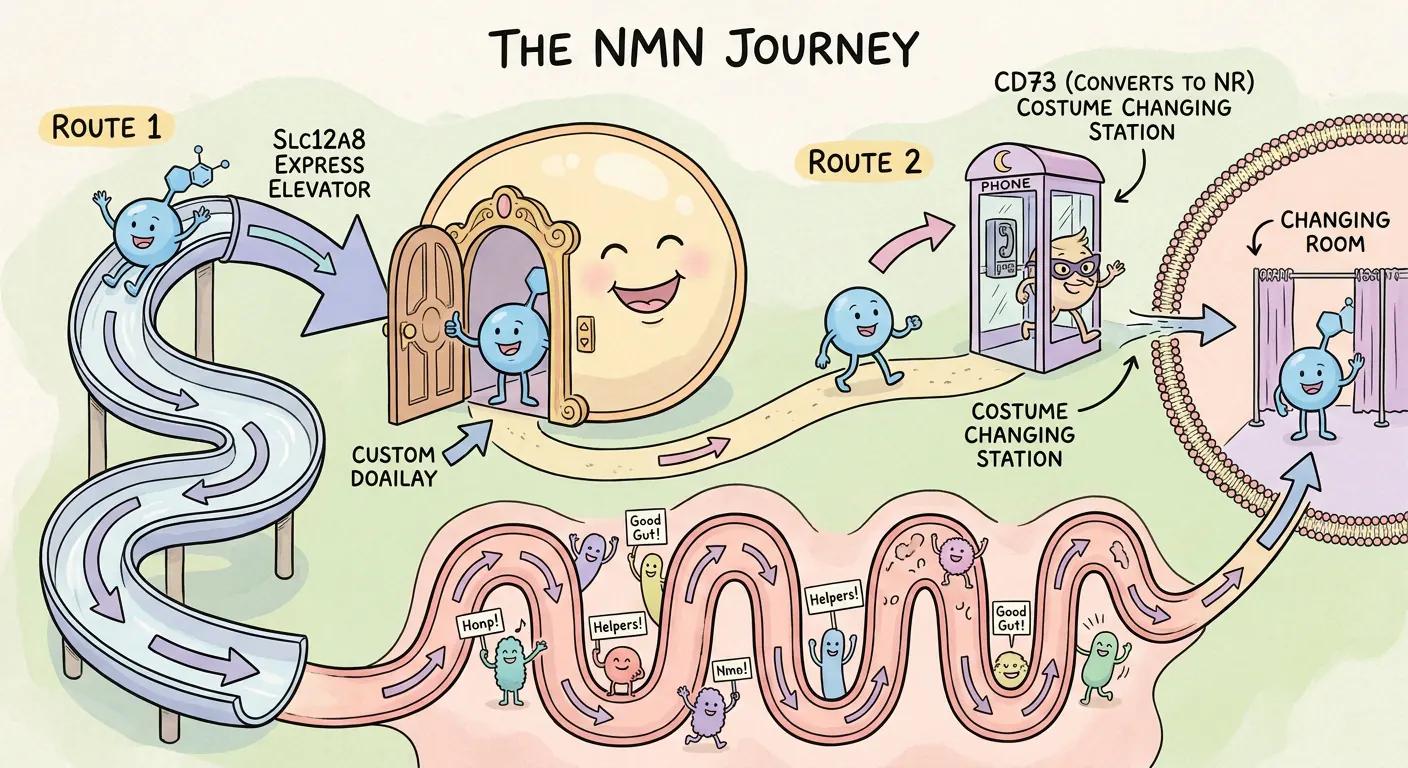 The textbook salvage pathway is simple: oral NMN → intestine → tissues → NMNAT converts it to NAD+. Two findings complicate that clean picture, and both are relevant if you formulate or source the material.
First, there is a real NMN transporter. In 2019, researchers identified Slc12a8, a sodium-dependent transporter highly expressed in the small intestine that carries NMN specifically (not NR) into cells [Nat Metab 2019, PMID 31131364]. That gave NMN a direct uptake route and quieted the old assumption that it had to convert to NR first.
Second, the "converts to NR first" camp was not wrong either. Multiple groups show that a meaningful fraction of oral NMN is dephosphorylated to NR by ectoenzymes (CD73/NT5E) before or during uptake, then re-phosphorylated inside the cell by NR kinases (NRK1/NRK2) [Sci Adv 2025, doi 10.1126/sciadv.adr1538]. And gut microbiota reshape the whole journey through enterohepatic circulation — part of an oral dose is deamidated to nicotinic acid and rebuilt into NAD+ in the liver via a different pathway.
The honest synthesis: NMN reaches NAD+ through more than one route, and the mix depends on dose, formulation, and the gut microbiome. For a formulator this is not trivia — it is why stability and delivery technology change what a finished product can actually do, just as they do for larger molecules like PDRN.
What the Human Data Actually Show
 This is where the marketing and the literature part ways. Here is the defensible summary:
- Blood NAD+ goes up. Reliably. Across RCTs at 250–900 mg/day, oral NMN raises circulating NAD+ and its metabolites [Irie 2020, PMID 32357765; Yi 2023, PMID 36482258]. This is the best-supported claim in the entire category.
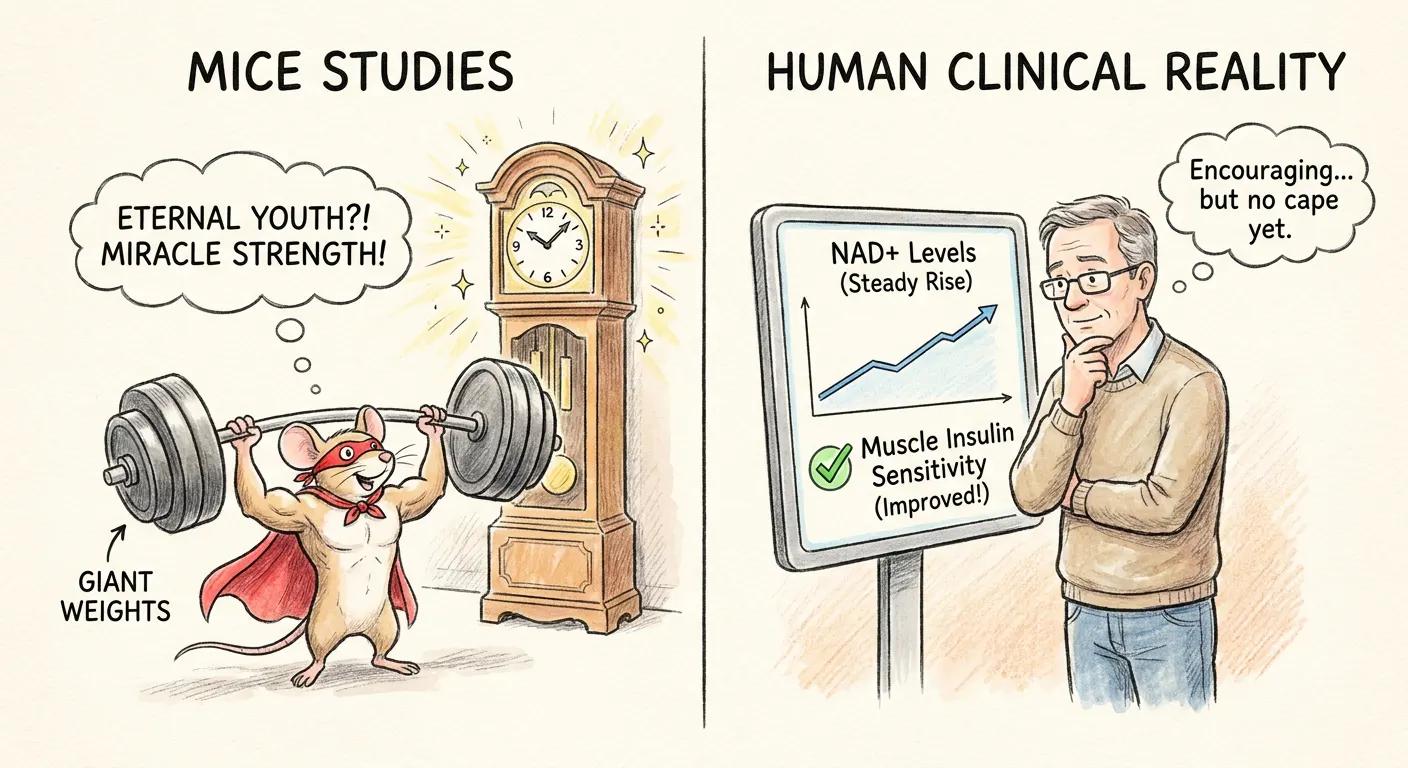
- The flagship human outcome is metabolic, not cosmetic. Yoshino et al. (Science, 2021) gave 250 mg/day of NMN for 10 weeks to 25 postmenopausal, overweight or obese women with prediabetes. Muscle insulin sensitivity rose ~25% versus baseline, with increased muscle NAD+ turnover [PMID 33888596]. Notably, the between-group difference versus placebo was not statistically significant (p = 0.07), and whole-body insulin sensitivity, HbA1c, and body composition did not move.
- Functional benefits are modest and inconsistent. Larger and longer trials show dose-dependent NAD+ elevation and small improvements in six-minute walk distance [Yi 2023, PMID 36482258], with mixed signals on grip strength and gait. Several meta-analyses conclude there is no significant effect on fasting glucose, insulin, HbA1c, lipids, or physical performance when pooled [e.g., PMID 39116016; PMID 39221308].
- Safety is encouraging short-term. Daily doses up to 1250 mg for 4 weeks were well tolerated with no serious adverse events [Sci Rep 2022, doi 10.1038/s41598-022-18272-y]. What is absent is multi-year safety data.
The line a responsible formulator repeats to every brand: NMN moves a biomarker robustly and hints at metabolic benefit; it has not proven longevity or disease outcomes in humans. The "fountain of youth" framing is a mouse story (aged mice show restored NAD+, better insulin sensitivity, and improved physical function), not yet a human one.
"Works" Honestly Means…
If you are building or buying an NMN product, calibrate the claim to the evidence:
- Supported: raises blood NAD+; plausibly supports cellular energy metabolism and muscle metabolic health in specific populations.
- Plausible but unproven in humans: broad "anti-aging," cognitive benefit, skin/barrier effects (NAD+ biology is universal, but human skin-endpoint data for oral NMN is thin).
- Not supported: any claim that NMN treats, cures, or reverses a disease. That is a pharmacological claim and a regulatory line — keep it as a dietary/wellness narrative.
Judge a supplier and a formula by the same hierarchy you would use for any active: identity first, then purity, then stability, then the human data behind the claim you actually make.
How to Choose an NMN Raw Material
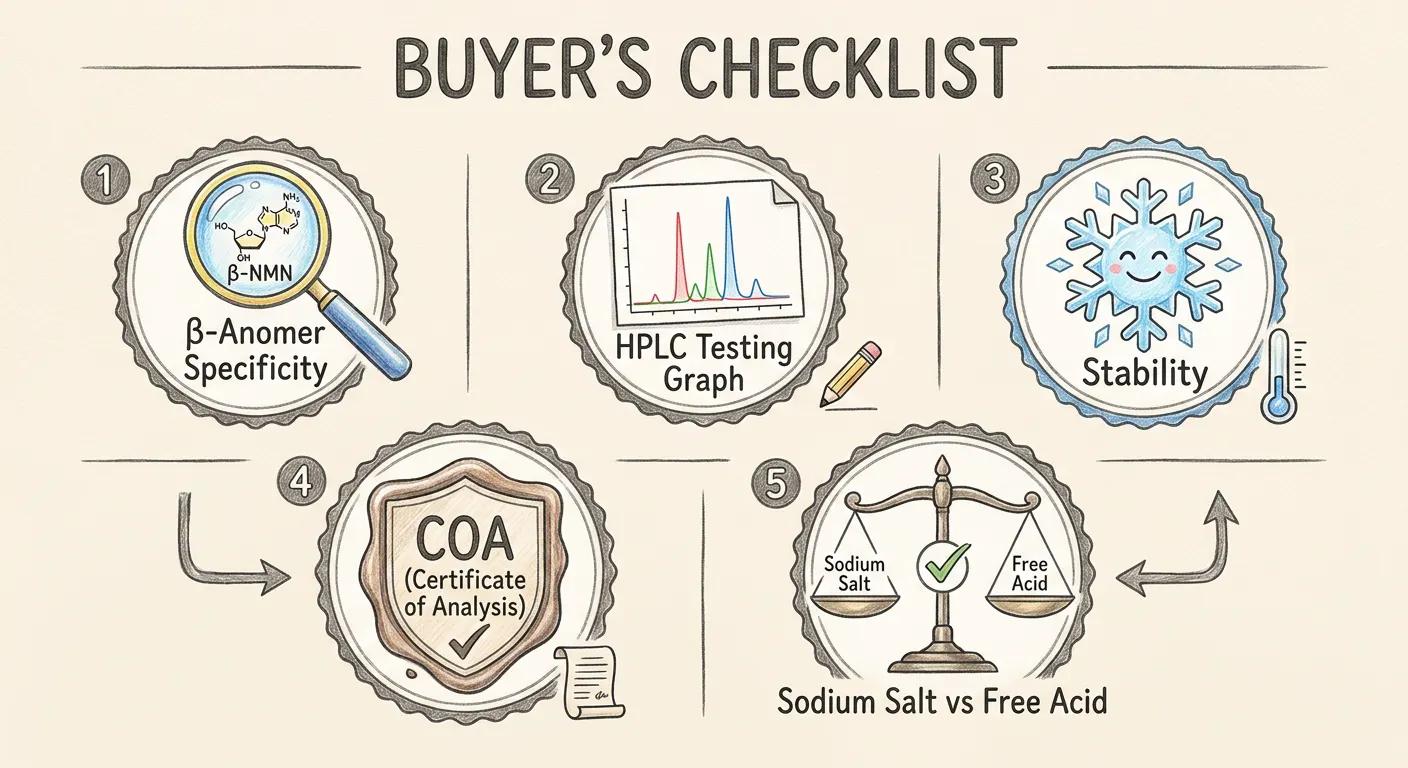 This is the part the category under-discusses. As a raw-material scientist, here is the short buyer's checklist:
- Beta-specificity, stated. Only β-NMN is active. Ask for the beta fraction, not a generic "NMN" number.
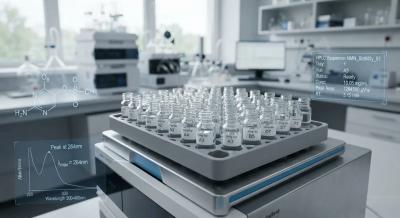
- Identity + purity by HPLC, with the method. A real spec reports the chromatographic method, retention, and purity — not a bare percentage.
- Stability data. NMN hydrolyzes toward NR under heat and moisture. Lyophilized powder, low water activity, and cold-chain handling protect potency. Request accelerated-stability data if you can.
- Per-batch COA. Heavy metals, microbiology, residual solvents, water content. A vendor that only sends a single "98% pure" certificate with no method or beta-specificity is a red flag.
- Salt form awareness. NMN is commonly supplied as the sodium salt or free acid; know which you are buying, because it changes stoichiometry and label claims.
If a sales sheet leads with "pharmaceutical grade, 99%+" and goes quiet when you ask for the beta fraction and the HPLC method, walk away. The number that sells is rarely the number that matters.
When you are ready to formulate, source pharmaceutical-grade NMN (β-Nicotinamide Mononucleotide) from GINKVORA — with beta-specificity and per-batch HPLC COA documented.
Related Articles
- NMN, NMNH & the NAD+ Market: Global Trends — where the category is headed and what buyers are asking for.
- PQQ & Mitochondrial Health: Market Trend — the other mitochondrial-angle active in the lineup.
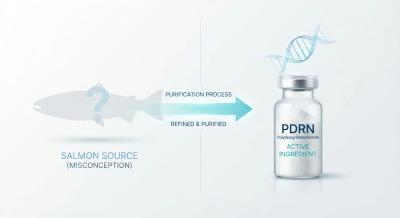
- Salmon vs Vegan PDRN — how we think about raw-material selection and supply-chain segregation for a different regenerative active.
- What Does 99.5% NMN Really Mean? A Purity Scientist Reads the COA
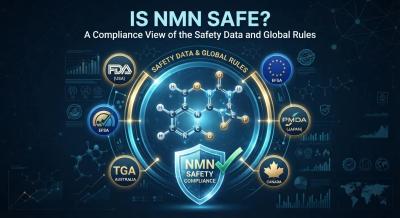
- Is NMN Safe? A Compliance View of the Safety Data and Global Rules