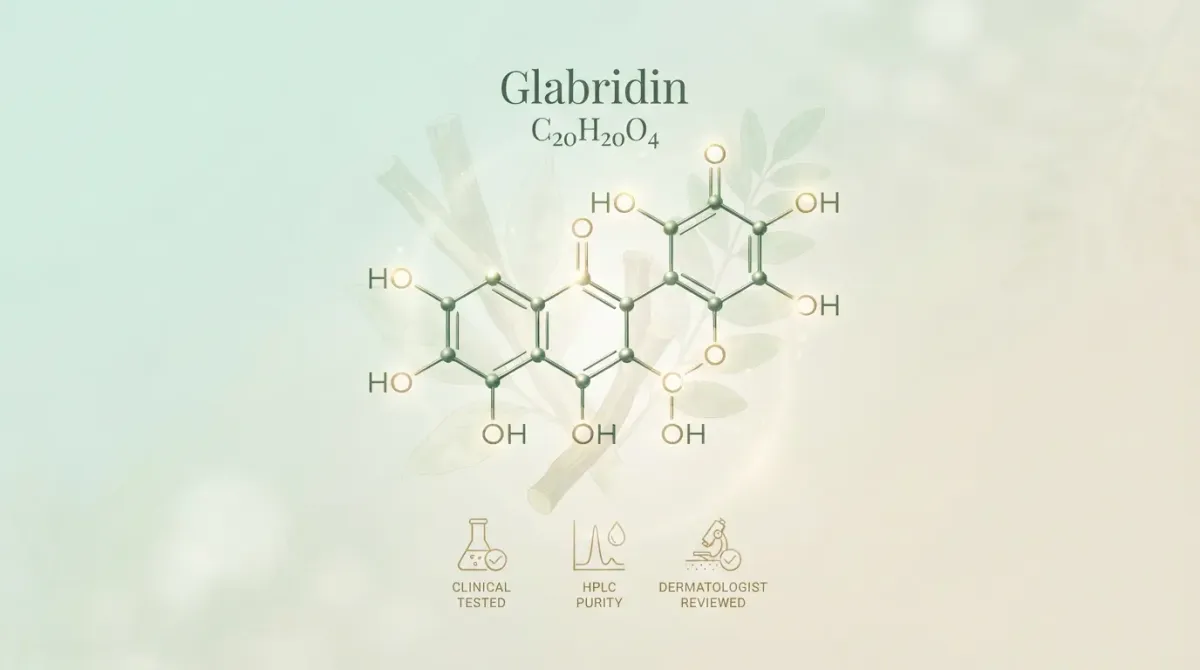
TL;DR
Glabridin has one of the cleanest safety profiles among cosmetic tyrosinase inhibitors. Here's what formulators and procurement teams need to know before sourcing:
Human data: A CMA-accredited closed patch test on 30 volunteers at 0.03% concentration found zero adverse reactions (all Grade 0 at 0.5h, 24h, and 48h post-removal). A separate 6-month melasma trial on 40 women reported no serious adverse events. A 4-week clinical brightening study at the same concentration confirmed statistically significant melanin index reduction from Week 1 -- with no dropouts due to irritation.
Systemic safety: Licorice flavonoid oil (LFO, containing glabridin) administered at 1,200 mg/day in healthy humans showed no hematological or biochemical abnormalities. C57BL/6J mice on 16-week LFO feeding showed no toxicity and an 18.8% reduction in body weight. The EFSA-approved Glavonoid product speaks to its food-grade safety precedent.
The impurity question: The glabrene impurity found in industrial glabridin (typically ~7.0% by area normalization) is the single most important safety variable. In zebrafish, glabrene showed LC50 = 3.7 uM acute toxicity, 57.7% malformation rate at 1.5 uM, and 81.6% reduction in motor activity. This is why HPLC purity >90% or >98% is not a marketing claim -- it's a safety parameter.
Drug interactions: Glabridin inhibits CYP2E1 (IC50 = 6.2 uM), irreversibly inactivates CYP3A4, and competitively inhibits P-glycoprotein. For topical cosmetic use at 0.03-0.5%, systemic exposure is negligible -- but oral supplement formulators should screen for drug-drug interactions.
Pregnancy & sensitive skin: Purified glabridin is not glycyrrhizin. The pregnancy concerns associated with licorice root stem from glycyrrhizin's mineralocorticoid effects, not from glabridin. Topical glabridin at cosmetic concentrations (0.03-0.5%) has no known contraindication signal. For sensitive skin, glabridin's COX-inhibitory activity actually supports its use -- unlike many brightening actives that provoke PIH in reactive skin types.
Global regulatory status: Listed in China's Inventory of Existing Cosmetic Ingredients (IECIC 2021, #08786), not prohibited under Safety and Technical Standards for Cosmetics (2015). Registered under INCI name GLABRIDIN (CAS 59870-68-7). CIR (Cosmetic Ingredient Review) has not yet published a final monograph -- glabridin falls under the "data gap" category common to botanical isolates. EU CosIng lists it without restriction. Every batch from GINKVORA ships with COA, TDS, and SDS/MSDS -- the three documents that underpin regulatory compliance submissions and formulator safety assessments.
The bottom line: Glabridin at 0.03-0.5% topical is one of the safest brightening actives available. The safety risk is not the molecule itself -- it's the impurity profile. Source from suppliers that provide batch-level glabrene quantification, and the ingredient is suitable for leave-on, rinse-off, and sensitive-skin formulations.
The Safety Evidence: Human Patch Test Data
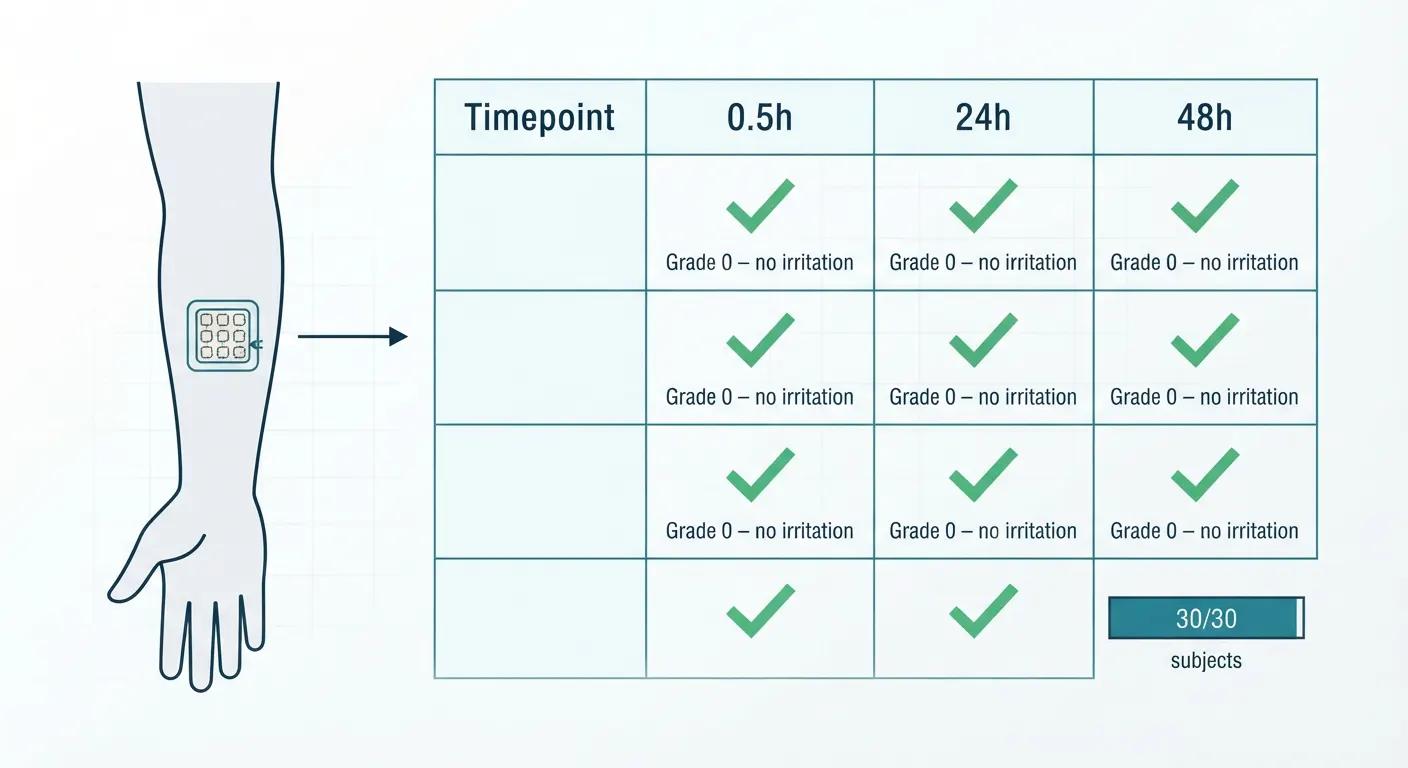 The most directly relevant safety data for cosmetic formulators comes from a third-party human patch test commissioned by Huatai Bio-Fine Chemical and conducted by Guangdong Weipu Testing Technology Co., Ltd. (CMA-accredited, No. 202119135666).
Closed Patch Test Results (Report No. GZA01-23080632-JC-01)
| Parameter | Detail |
|---|---|
| Test product | Skincare water containing 0.03% Glabridin |
| Subjects | 30 volunteers (4 male / 26 female, age 21-53) |
| Method | Closed patch test, observations at 0.5h / 24h / 48h post-removal |
| Result | 30/30 subjects -- Grade 0 at all observation timepoints |
Grade 0 means no erythema, no edema, no dryness, no subjective discomfort of any kind -- across all 30 subjects and all three observation timepoints. This is the cleanest possible result under standardized closed-patch conditions and provides formulators with concrete evidence that glabridin at clinically relevant concentrations does not cause measurable skin irritation.
4-Week Brightening Efficacy Study (Same Report)
The same testing institute concurrently ran a 4-week clinical brightening trial on 35 volunteers (8M / 27F, age 28-60) using the same 0.03% glabridin skincare water formulation. Key finding: statistically significant melanin index reduction from Week 1 (P < 0.05), with a total 4-week MI reduction of 16.8%. No subjects dropped out due to adverse reactions -- a strong real-world tolerability signal for daily-use leave-on products.
6-Month Melasma Clinical Trial
A separate clinical study enrolled 40 Caucasian women with epidermal melasma who applied a glabridin-containing topical gel twice daily for 6 months. The formulation was well-tolerated throughout the study period. No serious adverse events were reported. While this study focused on efficacy rather than safety as a primary endpoint, the six-month continuous-use safety record is notable for formulators developing long-term daily-use products.
The Impurity Question: Glabrene Toxicology
Why This Matters
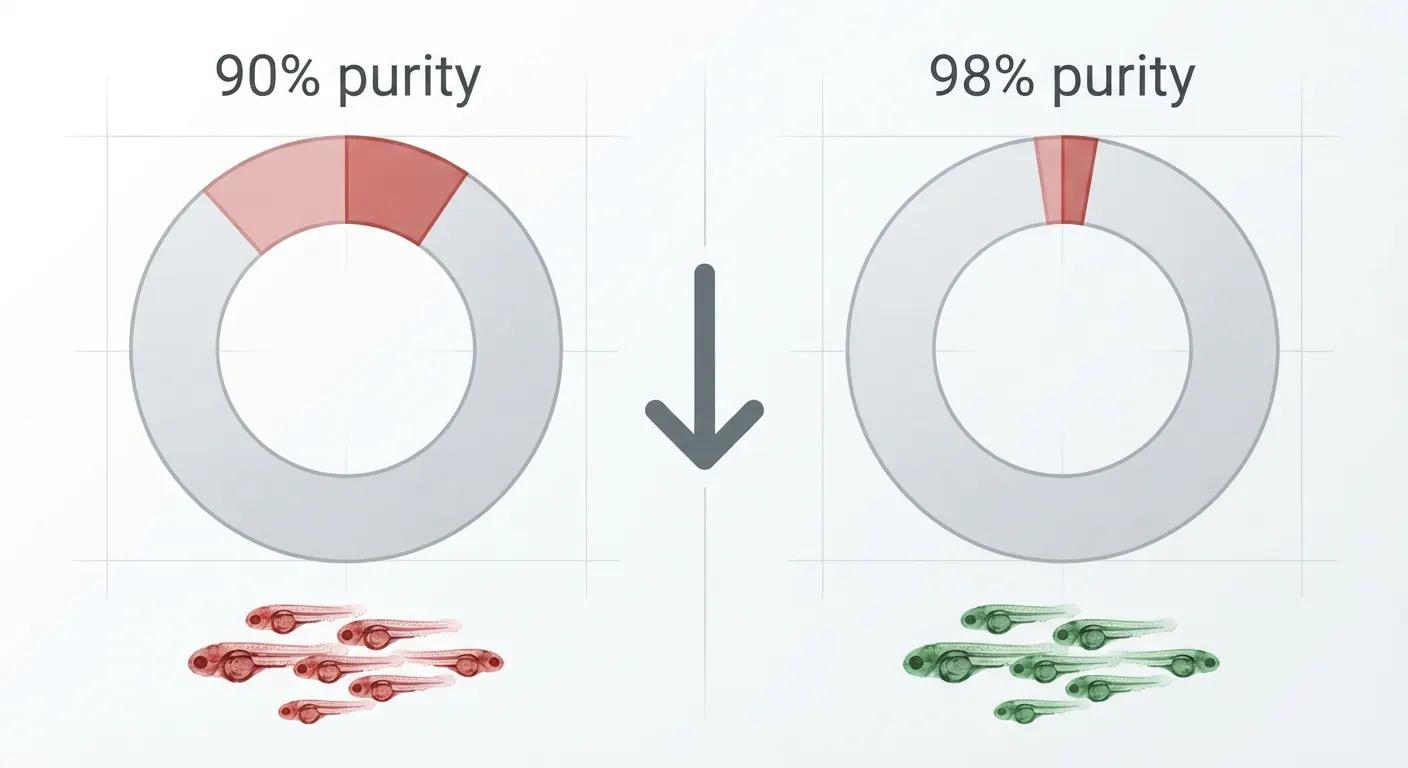 Glabridin is extracted from Glycyrrhiza glabra (licorice) root, where it co-exists naturally with structurally similar flavonoids -- including glabrene. Industrial purification removes most, but not all, of these co-extractives. In typical industrial glabridin products, glabrene content is ~7.0% by area normalization (HPLC).
A 2024 study published in the International Journal of Molecular Sciences (PMID: 39201673) conducted the first systematic toxicological evaluation of glabrene using an AB wild-type zebrafish model. The findings are important for procurement decisions.
Glabrene Toxicity Data (Zebrafish Model)
| Endpoint | Value | Interpretation |
|---|---|---|
| LC10 (10% lethal concentration) | 2.8 uM | Low-concentration lethality threshold |
| LC50 (50% lethal concentration) | 3.7 uM | Acute toxicity with steep dose-response |
| 100% lethality | 4.5 uM | All larvae dead |
| Malformation rate (0.5 uM) | 22.8% | Developmental toxicity at sub-lethal dose |
| Malformation rate (1.5 uM) | 57.7% | Over half of larvae malformed |
| Hatch rate reduction (1.5 uM) | 86.7% (vs ~100% control) | Delayed development |
| Motor activity reduction (1.5 uM) | 81.6% | Severe neurobehavioral impairment |
| Brain ROS level (1.5 uM) | 3.5x vs control | Significant oxidative stress |
| Dopamine elevation (1.5 uM) | +65.93% vs control | Neurotransmitter disruption |
| Acetylcholinesterase decrease (1.5 uM) | -25.40% | Cholinergic system impairment |
The study identified 209 endogenous metabolites in exposed zebrafish, with 6 consistently dysregulated metabolites converging on the phenylalanine metabolism pathway (KEGG dre00360) -- specifically the catecholamine biosynthesis module that converts tyrosine into dopamine, norepinephrine, and epinephrine.
Practical Implication for Procurement
This data does not mean glabridin is toxic. It means glabrene -- present as an impurity -- can be toxic, and the glabridin product's safety profile is only as good as its purity.
For formulators and procurement teams, this translates into three concrete requirements:
- Demand batch-level purity certificates (HPLC, not just UV spectrophotometry). Standard C of A should specify glabridin content as >=90% or >=98% by HPLC -- and the remaining percentage is the impurity profile.
- Request impurity characterization data. The ideal COA goes beyond "Glabridin >=98%" and provides quantification of the primary impurities, including glabrene. This is what differentiates a pharmaceutical-grade supplier from a commodity extract broker.
- Understand the practical consequence: At 0.5% glabridin in a 50g cream (250 mg glabridin), a 90% purity product introduces ~25 mg of unspecified impurities -- a 98% purity product reduces that to ~5 mg. At 0.03% in a 30 mL serum (9 mg glabridin), the difference is 0.9 mg vs 0.18 mg. The impurity dose is small in absolute terms, but formulators developing products for compromised or post-procedure skin should consider the purity grade carefully.
GINKVORA's Glabridin is available at >=90% and >=98% HPLC purity, with every batch accompanied by COA, TDS, and SDS/MSDS. View Glabridin product details.
Systemic Safety & Pharmacokinetics
Oral Toxicity Data
The most extensive systemic safety data for glabridin comes from studies of licorice flavonoid oil (LFO) -- a concentrated licorice extract containing glabridin as one of its primary bioactive constituents, approved as a novel food ingredient by the European Food Safety Authority (EFSA) under the trade name Glavonoid.
- Human: Healthy subjects receiving up to 1,200 mg/day LFO showed no significant hematological or biochemical abnormalities. Pharmacokinetic parameters after a single 1,200 mg dose: Cmax = 2.65 ng/mL, Tmax = 6.0 h, T1/2 = 10 h.
- Mice: C57BL/6J mice fed LFO for 16 continuous weeks showed no observable toxicity, with an 18.8% reduction in high-fat diet-induced body weight and abdominal fat mass.
These data establish a systemic safety margin far beyond what topical cosmetic use would ever approach and provide regulatory bodies with a robust toxicological reference point.
Topical Absorption
Glabridin's topical absorption is a relevant pharmacokinetic parameter for safety assessors. A 2023 confocal Raman spectroscopy study (ScienceDirect, S0924203123001170) tracked glabridin's dermal penetration in vivo. While the molecule can penetrate into the viable epidermis -- which is mechanistically necessary for tyrosinase inhibition at the melanocyte level -- the total systemic exposure from topical application at 0.03-0.5% cosmetic concentrations is orders of magnitude below the NOAEL established in oral studies.
In Vitro Cytotoxicity Boundaries
- Ishikawa human endometrial cancer cells: Cytotoxicity observed at concentrations >10 uM
- Estrogen receptor assay: Toxicity noted at >1x10^-4 M; at 1x10^-6 M, glabridin selectively antagonized estradiol-activated ER-alpha (80% antagonism rate) with no estrogenic activity on ER-alpha or ER-beta
- Gingival fibroblasts: 50 ug/mL licorice total flavonoid extract -- 2-hour exposure -- no cytotoxicity
These data establish a clear cytotoxicity threshold well above the concentrations achieved in topical cosmetic use.
Drug Interaction Risks: CYP450 & P-Glycoprotein
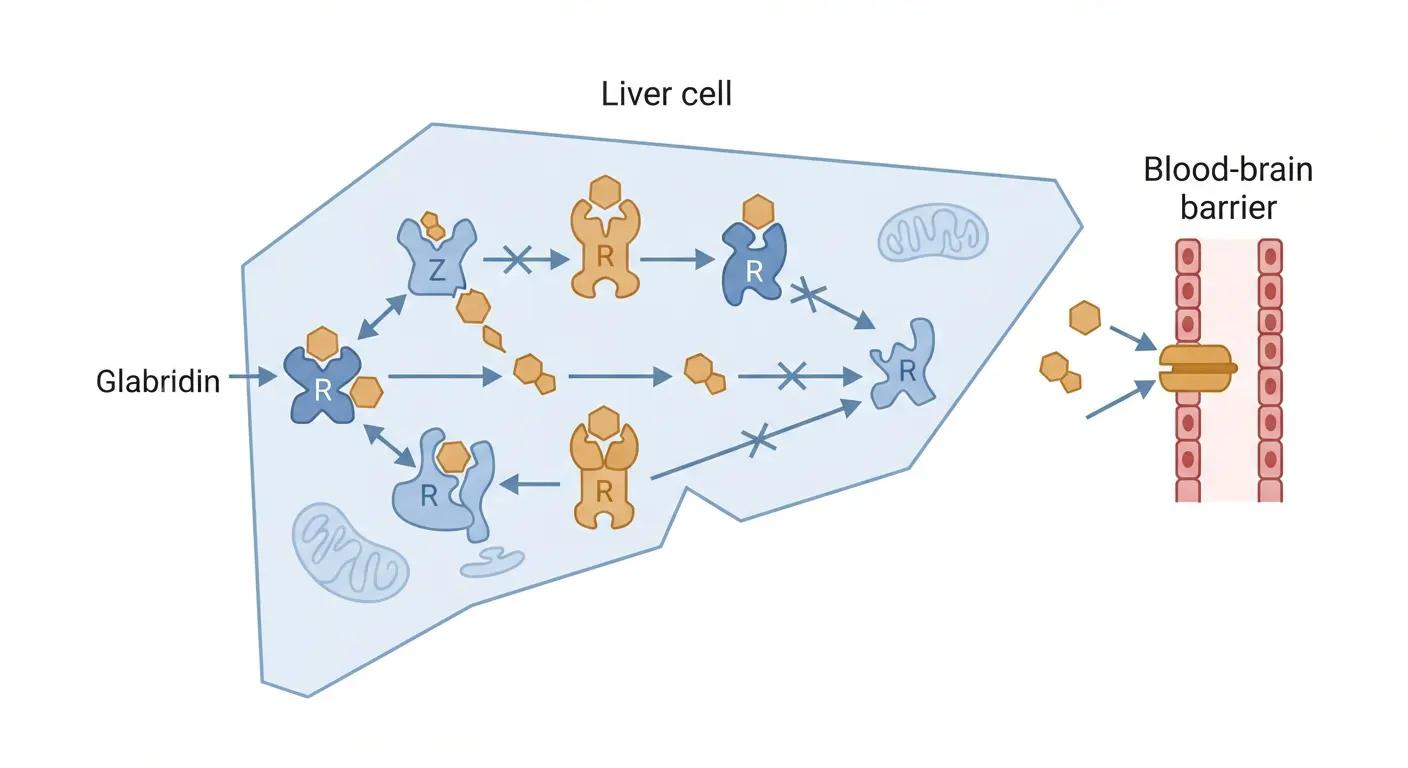 This section matters primarily for two audiences: (1) oral supplement formulators developing glabridin-containing nutraceuticals, and (2) cosmetic formulators documenting risk assessment in product safety reports.
CYP450 Enzyme Inhibition Profile
Glabridin interacts with multiple cytochrome P450 enzymes -- the liver's primary drug-metabolizing system. The DovePress review (DDDT.S385981, 2023) compiles the most complete inhibition data:
| CYP Isoform | Inhibition Type | Key Data | Clinical Relevance |
|---|---|---|---|
| CYP2E1 | Competitive inhibition | IC50 = 6.2 uM in human liver microsomes; binding energy -84.44 kcal/mol | Most potent CYP inhibition; relevant to acetaminophen, ethanol, and halothane metabolism |
| CYP3A4 | Time-, concentration-, and NADPH-dependent irreversible inactivation | Heme moiety destruction; not reversed by extensive dialysis | Irreversible inhibition is clinically significant: enzyme activity does not recover until new CYP3A4 protein is synthesized |
| CYP2B6 | Reversible inhibition | Moderate potency; does not modify heme structure | Lower clinical concern; reversible kinetics |
| CYP2C9 | Competitive inhibition | Moderate inhibitory activity | Relevant to warfarin, NSAID metabolism |
| CYP2C8 | Inhibition-mediated | Delays paclitaxel metabolism; boosts anti-metastatic efficacy in vitro | Research-stage finding; paclitaxel is IV chemotherapy, not OTC |
Key finding for safety assessors: Glabridin's CYP3A4 inactivation is irreversible. This is the most clinically significant drug interaction risk -- CYP3A4 metabolizes approximately 50% of all marketed drugs. However, the exposure dose matters. Topical cosmetic use produces negligible systemic glabridin levels (Cmax < 1 ng/mL estimated). Oral supplement formulators, on the other hand, must screen for drug-drug interactions -- particularly with CYP3A4 substrates (statins, calcium channel blockers, benzodiazepines, certain oral contraceptives).
P-Glycoprotein Interaction
Glabridin is both a substrate and competitive inhibitor of P-glycoprotein (P-gp), the ATP-dependent efflux transporter that limits drug absorption and brain penetration:
- In rats, glabridin brain concentration reaches only 27% of plasma levels due to P-gp efflux. Co-administration with verapamil (a P-gp inhibitor) raises brain penetration to 44%.
- In mdr1a knockout mice (lacking P-gp), glabridin AUC is 6x higher than in wild-type mice.
For topical cosmetic use, P-gp interaction is not a safety concern -- P-gp is expressed at the blood-brain barrier and intestinal epithelium, not in skin at functionally relevant levels. For oral supplements, P-gp inhibition could theoretically increase the bioavailability of co-administered P-gp substrate drugs (digoxin, loperamide, certain chemotherapy agents).
Hepatoprotective -- Not Hepatotoxic
Contrary to what the CYP450 inhibition profile might suggest, glabridin is hepatoprotective at therapeutic doses -- not hepatotoxic. A 2022 study in Inflammopharmacology (PMC9520544) demonstrated that glabridin significantly reduced methotrexate-induced hepatotoxicity in an arthritis model through dual anti-inflammatory and antioxidant mechanisms. The CYP2E1 inhibition is itself hepatoprotective in the context of acetaminophen overdose -- glabridin reduces the CYP2E1-mediated conversion of acetaminophen to its toxic NAPQI metabolite.
Sensitive Skin, Pregnancy & Breastfeeding
Glabridin is Not Glycyrrhizin
This distinction is the single most important clarification for formulators fielding consumer questions about pregnancy safety:
| Compound | Source | Pregnancy Concern | Present in Glabridin? |
|---|---|---|---|
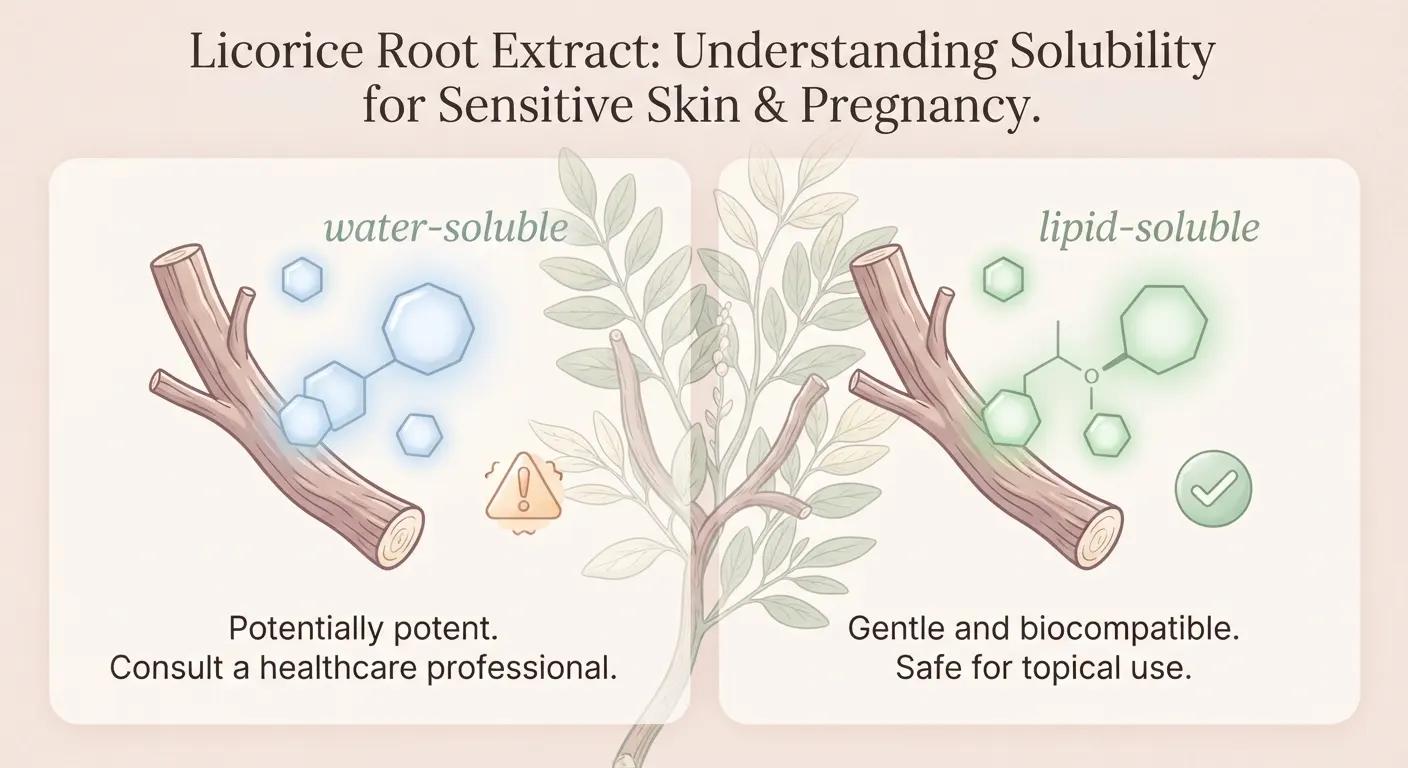
| Glycyrrhizin (glycyrrhizic acid) | Licorice root -- water-soluble fraction | Mineralocorticoid effects; linked to preterm birth risk at high oral doses (>500 mg/day glycyrrhizin); inhibits placental 11-beta-HSD2 | No -- removed during purification |
| Glabridin | Licorice root -- lipid-soluble flavonoid fraction | No known signal at topical cosmetic concentrations | Yes -- this is the active ingredient |
The pregnancy concerns widely cited for "licorice root in skincare" are based on glycyrrhizin -- not glabridin. Purified glabridin (>90% HPLC) does not contain glycyrrhizin. Consumer-facing brands should educate their customers on this distinction, and formulators should document it in product safety reports.
Sensitive Skin Suitability
Glabridin is not merely "safe enough" for sensitive skin -- its mechanism makes it specifically advantageous. Two properties distinguish it from most brightening actives in this context:
- Zero-irritation patch test: The 30-subject closed patch test at 0.03% with all Grade 0 results provides direct evidence.
- COX-inhibitory activity: Glabridin inhibits cyclooxygenase (Yokota et al., Pigment Cell Research, 1998), modulating the inflammatory pathways that drive post-inflammatory hyperpigmentation (PIH) -- the dominant pigmentation concern in Fitzpatrick types III-VI and sensitive/reactive skin.
This COX inhibition is what makes glabridin suitable for PIH-prone skin where other brightening actives are contraindicated. Hydroquinone carries cytotoxicity risk at melanotoxic concentrations. High-concentration ascorbic acid requires low pH (typically <3.5) that challenges sensitive skin barrier function. Retinoids induce an initial irritation phase. Glabridin avoids all three problems while addressing melanogenesis at the tyrosinase step and inflammation at the COX step.
Pregnancy & Breastfeeding Guidance
No published human safety data exists specifically for topical glabridin use during pregnancy or breastfeeding -- a data gap common to virtually all cosmetic botanical isolates. The current evidence-based guidance:
- Topical use at 0.03-0.5%: No known contraindication signal. The systemic exposure from topical application is negligible. Purified glabridin is chemically distinct from glycyrrhizin, which is the compound driving pregnancy concerns.
- Oral supplementation: Not recommended during pregnancy or breastfeeding in the absence of dedicated safety studies.
- Consumer-facing recommendation: Brands should state "Consult your healthcare provider before use during pregnancy or breastfeeding" -- standard wording that reflects the precautionary principle without implying a documented risk.
Global Regulatory Status

China
Glabridin is listed in China's Inventory of Existing Cosmetic Ingredients (IECIC 2021 edition) under entry #08786. It is not classified as a prohibited substance under the Safety and Technical Standards for Cosmetics (2015 edition). Under China's Cosmetic Supervision and Administration Regulation (CSAR), cosmetic products containing glabridin require a full Cosmetic Product Safety Assessment Report (CPSR) -- which every formulator sourcing from GINKVORA can prepare using the COA, TDS, and SDS/MSDS provided with each batch.
European Union
Glabridin is listed in the EU CosIng database under INCI name GLABRIDIN (CAS 59870-68-7) without restriction. It is not listed in Annex II (prohibited substances), Annex III (restricted substances), or Annex IV (colorants-only). The EFSA approval of licorice flavonoid oil (Glavonoid) as a novel food ingredient provides additional regulatory precedent for the safety of glabridin-containing extracts -- though this is a food, not cosmetic, authorization.
United States
Glabridin is not subject to FDA pre-market approval for cosmetic use. The Cosmetic Ingredient Review (CIR) Expert Panel has not yet published a final safety monograph specifically for glabridin -- it falls under the "data gap" category that applies to many botanical isolates. This is not a negative finding; it reflects the CIR's prioritization process, which addresses ingredients with the highest production volumes first. The available safety data (human patch test, systemic toxicity studies, EFSA food approval) would support a favorable CIR conclusion when the panel addresses it.
Key Compliance Documents
Every GINKVORA Glabridin batch ships with:
| Document | Contents | Used For |
|---|---|---|
| COA (Certificate of Analysis) | HPLC purity, appearance, heavy metals, microbial limits | Product spec verification, incoming QC |
| TDS (Technical Data Sheet) | Physicochemical properties, solubility, stability, usage recommendations | Formulation development |
| SDS/MSDS (Safety Data Sheet) | Hazard classification, handling, storage, first aid, disposal | Workplace safety, CPSR preparation |
Formulators should retain these documents for their product safety assessment files. Additional testing (heavy metals, residual solvents, microbial) is available upon request for formulations requiring extended safety dossiers, such as products destined for sensitive-skin claims or medical cosmetic channels.
Quality Control for Safety: What to Ask Your Supplier
Safety is a supply chain function, not a molecular property. The same CAS number (59870-68-7) can represent dramatically different impurity profiles depending on the extraction method, purification protocol, and quality control rigor. Here's what formulators and procurement teams should request:
Minimum Viable Documentation
- HPLC chromatogram with purity quantification -- confirm glabridin content (>=90% or >=98%) and request impurity peak identification if available
- Heavy metals panel -- arsenic (As), lead (Pb), mercury (Hg), cadmium (Cd) -- ICH Q3D limits
- Residual solvents -- particularly ethanol and ethyl acetate, common in botanical extraction
- Microbial limits -- total aerobic microbial count (TAMC), total yeast and mold count (TYMC), specified pathogens absent
Advanced Due Diligence
- Glabrene quantification -- the impurity-level safety parameter, as discussed
- Glycyrrhizin content -- confirm below detection limit for purified glabridin (relevant for pregnancy-safe claim support)
- Pesticide residue panel -- particularly for botanically sourced ingredients
- Stability under accelerated conditions -- 40C/75% RH for 3-6 months, verifying no degradation or impurity growth
For GINKVORA's Glabridin specifications and batch documentation, visit the product page or contact our technical team: GINKVORA Glabridin.
Related Articles
- Glabridin: The Complete Guide to Licorice Root's Most Powerful Bioactive -- Mechanisms, clinical evidence, and B2B market context for glabridin as a cosmetic active.
- Glabridin Cream & Serum Formulation Guide: Concentration, Delivery Systems & Stability -- Practical formulation protocols covering solubility, concentration by product type, and delivery system selection.
- Licorice Extract vs. Purified Glabridin: The Real Difference -- Purity comparisons, impurity profiles, and why HPLC quantification matters for safety and efficacy claims.