TL;DR
- Quercetin is a plant flavonoid that prevents mast cells from releasing histamine — addressing allergy at its source
- It suppresses IgE-mediated signaling and reduces cytokines including IL-6, TNF-α, and IL-1β
- Clinical studies show meaningful symptom reduction at 500–1,000 mg/day over 4–8 weeks
- Unlike pharmaceutical antihistamines, quercetin does not cause drowsiness, dry mouth, or cognitive impairment
- Combination with bromelain or as a phytosome significantly improves bioavailability
What Is Quercetin and Why Does It Matter for Allergies?
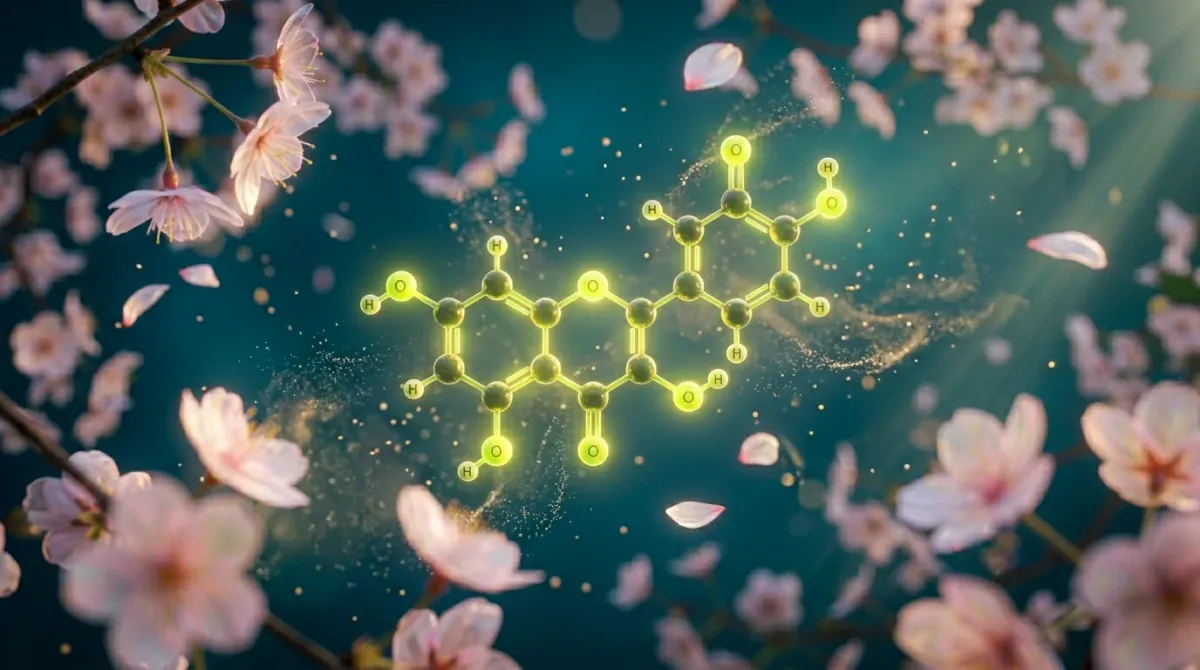
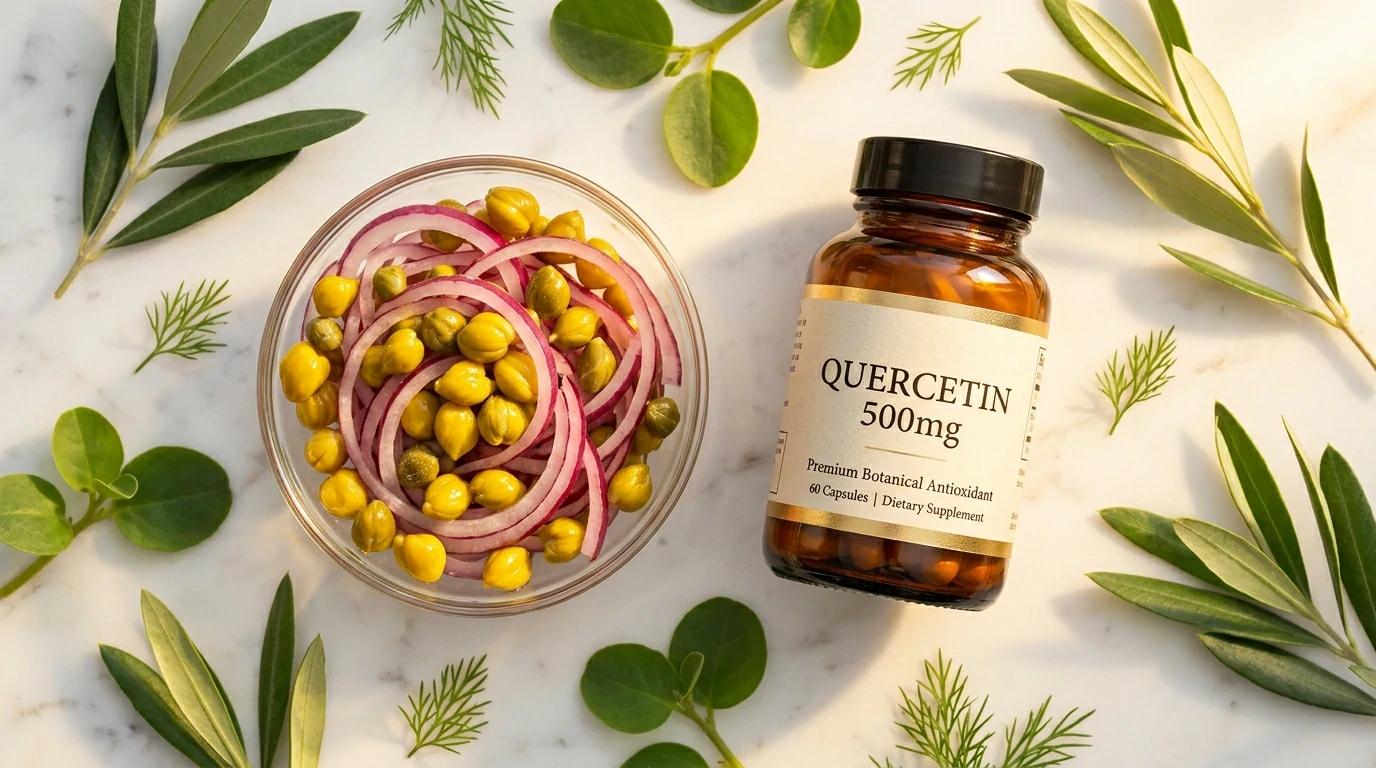
Quercetin (3,3',4',5,7-pentahydroxyflavone) is one of the most abundant dietary flavonoids on earth. Found in red onions, capers, kale, apples, and green tea, it has been studied for decades as an antioxidant and anti-inflammatory compound. In recent years, researchers have zeroed in on a specific and commercially significant property: its ability to act as a natural mast cell stabilizer and antihistamine.
For supplement formulators and ingredient buyers, this positions quercetin extract as a high-value active for immune health, seasonal allergy, and respiratory wellness product lines — a market segment projected to reach USD 3.2 billion by 2033 (Verified Market Reports, 2025), growing at a CAGR of 9.5%.
Understanding how quercetin suppresses allergic response is critical for both effective formulation and accurate product claims. This article breaks down the mechanism, the clinical evidence, and the practical implications for manufacturers working with this ingredient.
The Biology of Allergic Reaction: Where Quercetin Intervenes
To understand quercetin's anti-allergy action, it helps to understand what happens during an allergic response:
- Sensitization phase — The immune system encounters an allergen (pollen, dust mite, food protein) and produces IgE antibodies
- IgE binding — IgE antibodies bind to FcεRI receptors on the surface of mast cells and basophils
- Degranulation trigger — On re-exposure, the allergen cross-links IgE-receptor complexes, triggering mast cell degranulation
- Histamine release — Mast cells release stored histamine, tryptase, prostaglandins, and leukotrienes
- Allergy symptoms — Histamine binds to H1 receptors in nasal mucosa, skin, and airways, causing sneezing, itching, congestion, and hives
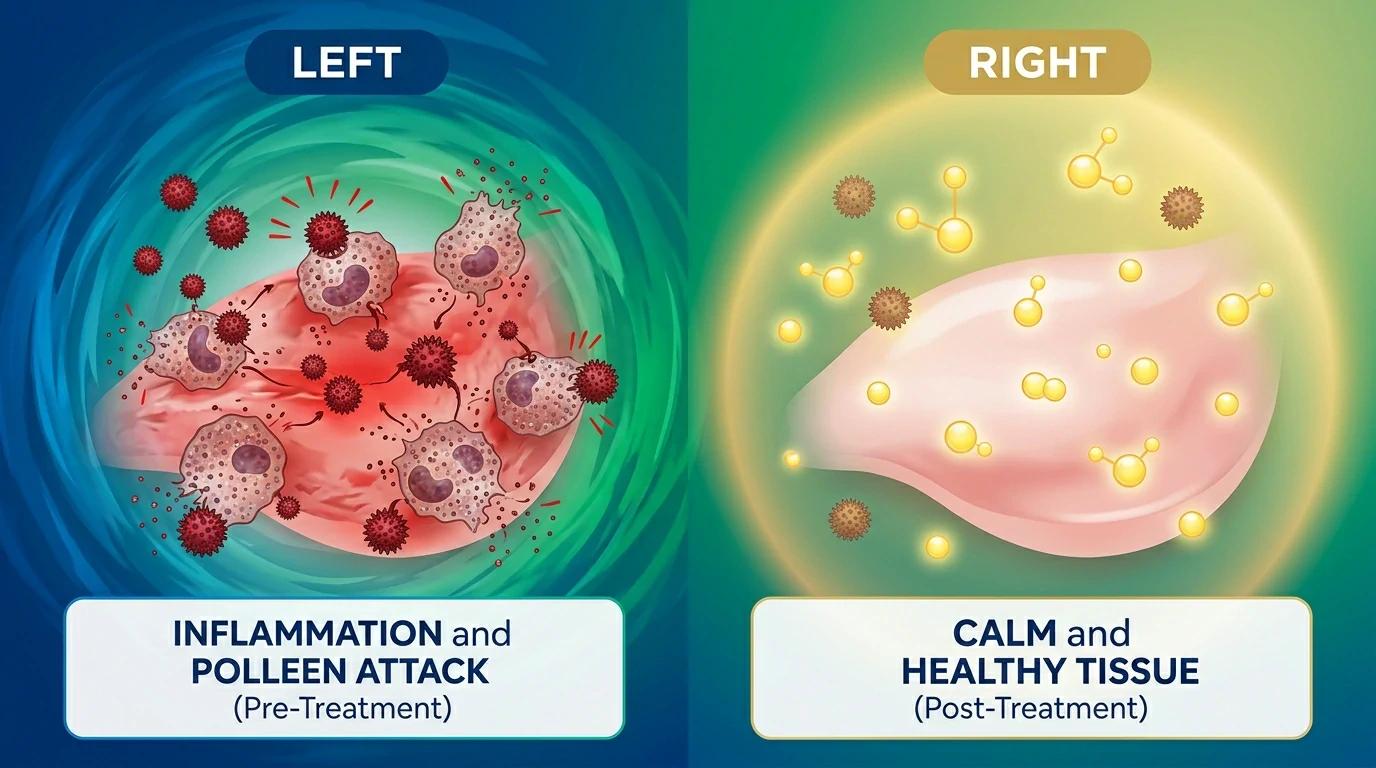
Quercetin intervenes at steps 2, 3, and 4 — making it a fundamentally different type of anti-allergy agent compared to pharmaceutical H1 blockers, which only act at step 5.
How Quercetin Works as a Natural Antihistamine
1. Mast Cell Stabilization
Quercetin's most well-documented anti-allergy mechanism is its ability to stabilize mast cells — preventing them from releasing their inflammatory cargo in the first place.
A 2024 study published in the Journal of Inflammation Research (Dovepress) demonstrated that quercetin attenuates MRGPRX2-mediated mast cell degranulation by suppressing intracellular calcium mobilization and inhibiting downstream MAPK signaling pathways. In practical terms: the mast cell receives the "release" signal but quercetin prevents the cellular machinery from executing it.
Key finding: quercetin suppressed histamine release from IgE-sensitized mast cells in a dose-dependent manner, with significant inhibition observed at concentrations achievable through supplementation.
2. Downregulation of the IgE Receptor (FcεRI)
A landmark 2022 study in Molecules (PMC9573482) compared the effects of quercetin and resveratrol on human mast cell lines (LAD2). The results showed that quercetin significantly reduced FcεRI expression — the high-affinity IgE receptor responsible for triggering degranulation. Fewer receptors on the cell surface means fewer entry points for the allergic cascade to be initiated.
This mechanism is distinct from mast cell stabilization and represents an upstream intervention that reduces the immune system's overall "readiness" to react to allergens.
3. Cytokine Suppression
Beyond histamine, allergic reactions involve a cascade of pro-inflammatory cytokines. Quercetin has been shown to suppress:
| Cytokine / Mediator | Role in Allergy | Quercetin's Effect |
|---|---|---|
| Histamine | Immediate hypersensitivity symptoms | Inhibits release from mast cells |
| TNF-α | Amplifies inflammatory response | Downregulated via NF-κB inhibition |
| IL-6 | Sustains inflammation, promotes IgE production | Significantly reduced in multiple studies |
| IL-1β | Promotes mast cell activation | Suppressed by quercetin |
| Tryptase | Degrades tissue, recruits more immune cells | Reduced due to mast cell stabilization |
| Leukotrienes | Bronchoconstriction in asthma | Inhibited via LOX pathway modulation |
Data synthesized from: Allergy, Asthma & Clinical Immunology 2020; Food & Function 2024 review; PubMed PMC12073759 (2025).
4. Inhibition of the NF-κB Pathway
Many of quercetin's anti-inflammatory effects converge on the NF-κB transcription factor — a master regulator of inflammatory gene expression. By inhibiting IκB kinase (IKK), quercetin prevents NF-κB from translocating to the nucleus and activating genes encoding inflammatory cytokines and adhesion molecules. This mechanism explains quercetin's broad-spectrum anti-inflammatory profile across allergic, respiratory, and cardiovascular conditions.
Clinical Evidence: What Human Studies Show
Preclinical data on quercetin's anti-allergy mechanisms is robust. Human clinical data is more limited but consistently positive.
Key Clinical Data Points
Study 1 — Seasonal Allergic Rhinitis (500 mg/day, 8 weeks) Participants with seasonal allergic rhinitis who supplemented with 500 mg quercetin daily for 8 weeks reported significant reductions in:
- Nasal congestion severity
- Sneezing frequency
- Eye itching scores Quality-of-life scores improved compared to baseline. (Remedys Nutrition clinical review, 2026, citing original trial data)
Study 2 — Mast Cell Activation Syndrome (MCAS) Research reviewed by the EDS Clinic (2026) highlights quercetin as one of the most studied natural compounds for MCAS management, with evidence for blocking histamine, TNF, and IL-6 release from activated mast cells. The compound is now routinely discussed in MCAS management protocols.
Study 3 — Chronic Urticaria (Hives) A 2025 study (ResearchGate, May 2025) found that quercetin alleviates chronic urticaria by negatively regulating IgE-mediated mast cell activation through CD300f receptor modulation, leading to:
- Reduced wheal frequency and severity
- Decreased eosinophilic infiltration in skin lesions
- Inhibited mast cell degranulation in skin tissue
Study 4 — Lecithin-Based Quercetin Formulation A 2025 review in Nutrients (PMC12073759) examining quercetin phytosome formulations for allergy noted that both human trials conducted to date reported "promising results, including symptom reduction and improved quality of life." Researchers called for larger randomized controlled trials to confirm efficacy.
Honest Assessment of the Evidence
The data is promising but should be understood in context:
- Strong preclinical (in vitro and animal) evidence for the mechanisms described above
- Positive but limited human clinical trials (2 direct RCTs as of 2025)
- Supportive observational and mechanistic data across multiple allergy subtypes
- No head-to-head RCT against cetirizine or loratadine published as of this writing
For B2B ingredient positioning, quercetin is best characterized as a well-mechanistically-supported mast cell stabilizer with emerging clinical validation — not a pharmaceutical-equivalent antihistamine.
Quercetin vs. Pharmaceutical Antihistamines: A Practical Comparison
| Property | Quercetin | Cetirizine (Zyrtec) | Loratadine (Claritin) |
|---|---|---|---|
| Mechanism | Mast cell stabilizer, upstream | H1 receptor blocker | H1 receptor blocker |
| Onset | Gradual (days to weeks) | 1 hour | 1–3 hours |
| Duration | Ongoing with supplementation | 24 hours per dose | 24 hours per dose |
| Drowsiness | Not reported | Mild (10–15% users) | Rare |
| Dry mouth | Not reported | Occasional | Occasional |
| Drug interactions | Minimal known | CYP3A4 interactions | CYP3A4 interactions |
| Mechanism breadth | Multi-target (cytokines, IgE, NF-κB) | Narrow (H1 only) | Narrow (H1 only) |
| Best use case | Prevention, ongoing supplementation | Acute symptom relief | Acute symptom relief |
Key distinction: Pharmaceutical antihistamines are faster-acting and appropriate for acute symptom management. Quercetin's advantage is in preventive use and multi-pathway intervention — making it well-suited for daily supplement formulations targeting immune wellness and allergy resilience.
Allergy Conditions Where Quercetin Shows Evidence
Based on published research and clinical reviews, quercetin has demonstrated activity across multiple allergic conditions:
- Seasonal allergic rhinitis (hay fever) — Reduced nasal congestion, sneezing, and eye itching in 8-week trials
- Allergic asthma — Inhibits bronchoconstriction mediators (leukotrienes, IL-5); reduces airway inflammation
- Atopic dermatitis (eczema) — Suppresses Th2-dominant immune response; reduces skin inflammation
- Chronic urticaria (hives) — Reduces mast cell activation via IgE/CD300f pathway
- Food allergy hypersensitivity — Preclinical evidence for reduced gut mast cell activation
- Mast Cell Activation Syndrome (MCAS) — Widely discussed as supportive agent for symptom management
- Allergic conjunctivitis — Preclinical evidence for reduced ocular histamine effects
Dosage, Formulation, and Bioavailability Considerations
One practical challenge with quercetin is its poor water solubility and modest oral bioavailability in standard form. Absorption is estimated at 24–50% depending on the food matrix, and peak plasma concentrations are reached within 1–2 hours.
Strategies to Enhance Bioavailability
1. Quercetin + Bromelain Bromelain (a pineapple-derived proteolytic enzyme) enhances quercetin absorption by modulating gut permeability and reducing intestinal inflammation. This combination is among the most widely used in commercial allergy supplements.
2. Quercetin Phytosome (Quercefit®) Complexing quercetin with phosphatidylcholine (lecithin) creates a phytosome form with significantly improved absorption. Studies show 20x greater bioavailability compared to standard quercetin powder. Ideal for premium formulations.
3. EMIQ (Enzymatically Modified Isoquercitrin) A water-soluble quercetin derivative with high bioavailability. More common in food and beverage applications.
4. Liposomal Quercetin
Encapsulation in lipid nanoparticles protects quercetin from degradation and improves cellular uptake. Emerging formulation technology.
Recommended Dosage Range
| Application | Typical Dose | Duration |
|---|---|---|
| General immune/allergy support | 500 mg/day | Ongoing |
| Acute allergy management | 500–1,000 mg/day | 4–8 weeks minimum |
| Clinical trial dose (rhinitis studies) | 500 mg/day | 8 weeks |
| Standard supplement market | 500–1,500 mg/day | Seasonal or continuous |
Why GINKVORA Quercetin Extract for Supplement Manufacturers
For product developers and supplement brands sourcing quercetin as an active ingredient, the purity, standardization, and traceability of the extract matter as much as the clinical rationale.
Our quercetin extract is derived from Sophora japonica flower buds — the highest-quercetin-yielding botanical source — and standardized to ≥95% quercetin by HPLC analysis. Key specifications:
- Source: Sophora japonica (Japanese pagoda tree) flower buds
- Purity: ≥95% quercetin (HPLC)
- Appearance: Yellow to light brown fine powder
- Heavy metals: Compliant with USP, EU, and Chinese Pharmacopeia limits
- Certifications: Batch COAs available; ISO-compliant manufacturing
For formulators building allergy, immune support, or respiratory health products, this ingredient delivers the mechanistic profile and purity documentation your finished product requires.
Request a sample or product specification →
Related Articles
- How Quercetin Stabilizes Mast Cells to Reduce Seasonal Allergy Reactions — The mast cell mechanism behind allergy relief
- Quercetin for Immune Defense: The Flavonoid That Activates Your Body's First-Line Protection — Broader immune modulation beyond histamine
- Quercetin Safety Profile: Dosage, Drug Interactions, and Who Should Avoid It — Safety compared to conventional antihistamines
Sources: PubMed PMC12073759 (2025); PubMed PMC9573482 (2022); Dovepress Journal of Inflammation Research (2024); Allergy, Asthma & Clinical Immunology 2020; Food & Function 2024; ResearchGate Urticaria Study (2025); Verified Market Reports Quercetin Supplement Market (2025).
Reviewed for scientific accuracy. This content is intended for B2B industry professionals and educational purposes. It does not constitute medical advice.