TL;DR
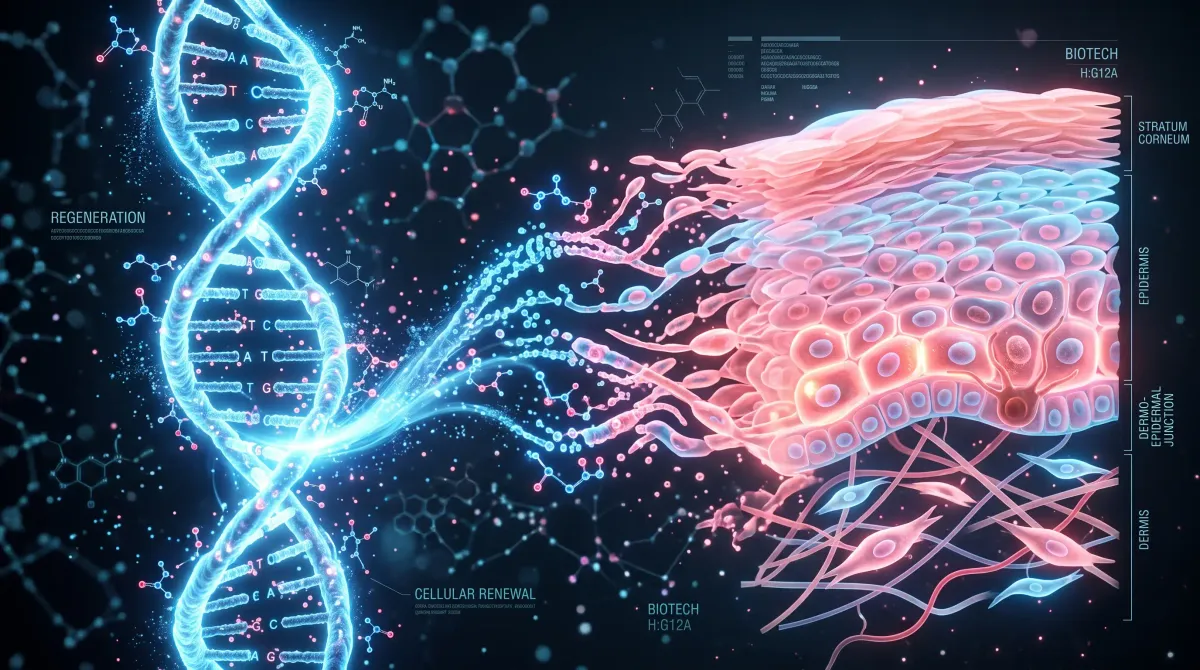
PDRN (polydeoxyribonucleotide) is purified salmon DNA — a clinically proven regenerative ingredient with over 20 years of published evidence behind it. It works by binding to the adenosine A2A receptor on fibroblasts, triggering collagen synthesis, angiogenesis, and anti-inflammatory signaling. In aesthetic medicine, PDRN injections reduce eye wrinkles by up to 61.4% over 12 weeks. In topical skincare, it improves skin hydration, texture, elasticity, and barrier function without irritation. This article covers the full science: what PDRN is, where it comes from, how it works at the molecular level, and why formulators and brands are adopting it as the evidence-based alternative to exosomes and growth factors.
What Is PDRN?
Polydeoxyribonucleotide (PDRN) is a mixture of purified DNA fragments extracted primarily from the sperm cells of rainbow trout (Oncorhynchus mykiss) or chum salmon (Oncorhynchus keta). Chemically, it consists of double-stranded DNA polymers with chain lengths between 50 and 2,000 base pairs, giving it a molecular weight range of 50 to 1,500 kDa [1].
In its final purified form, PDRN appears as a white to off-white powder or fibrous solid that is soluble in water, with a pH between 6 and 8. The purification process removes all cellular components — proteins, lipids, cell membranes, and enzymatic material — leaving only DNA fragments.
This is a critical distinction: PDRN is not "salmon sperm extract." It is a chemically defined, highly purified DNA product with a reproducible molecular profile. It contains no living cells, no proteins, and no genetic material capable of conferring organismal traits.
PDRN obtained its first pharmaceutical approval in Italy in 1994 (Placentex®) for wound healing and tissue repair, and has since become the scientific backbone of Korean regenerative dermatology through products like Rejuran Healer®, Nucleofill®, and HP Cell VITARANi®. It is now one of the most extensively published regenerative ingredients in aesthetic medicine [1][3].
Where Does PDRN Come From?
Salmon Trout and Chum Salmon: Why Fish DNA?
PDRN is most commonly extracted from salmon sperm cells (milt) for three reasons:
1. Exceptional DNA density. Adult salmon testes contain sperm at concentrations where DNA represents approximately 7.5% of the wet tissue weight — an extraordinarily high nucleic acid density compared to other biological sources [4].
2. Purity advantage. Salmon sperm cells are specialized for DNA delivery — they carry a compacted haploid genome with minimal cytoplasm and organelle content. This biological specialization makes the extraction and purification process more efficient than starting from somatic tissue, which contains significantly more protein and lipid contamination.
3. Low immunogenicity. Vertebrate DNA — including salmon DNA — possesses inherently low immunogenicity in mammals due to a phenomenon known as CpG suppression: mammalian immune systems have evolved to recognize bacterial DNA (unmethylated CpG motifs) as a danger signal, while vertebrate DNA with methylated CpG and lower CpG frequency is recognized as "self" [1].
The Extraction Process
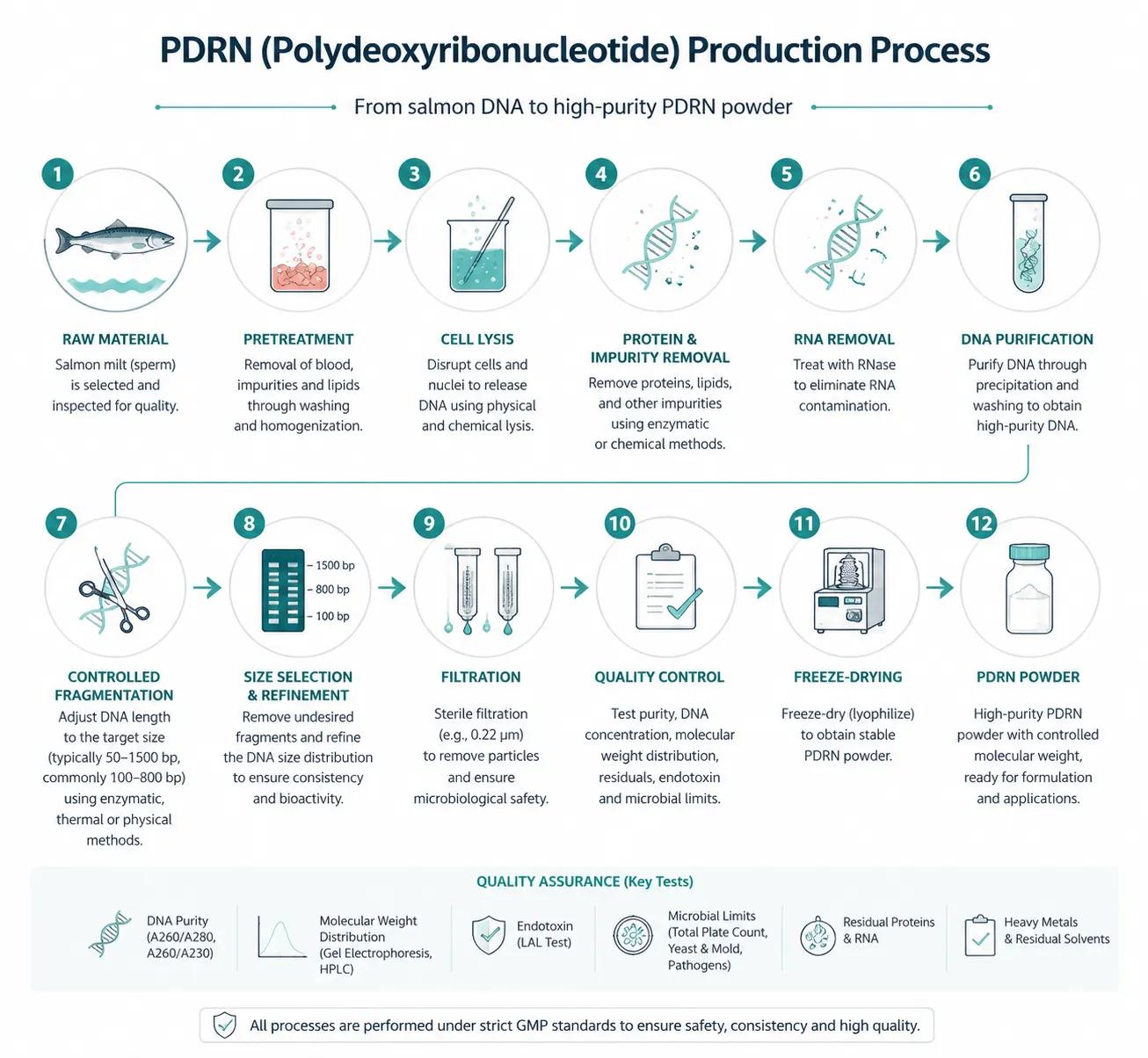
The industrial-scale extraction of cosmetic-grade PDRN follows a multi-step protocol [4]:
- Collection: Salmon milt is collected during spawning season under controlled conditions
- Cell lysis: Sperm membranes are disrupted to release nuclear DNA
- Protein removal: Enzymatic digestion and chemical precipitation remove proteins and peptides
- DNA precipitation: Ethanol precipitation isolates the DNA fraction
- Controlled fragmentation: DNA is reduced to the target 50–2,000 bp size range
- Final purification: Filtration and quality verification to >95% purity
Recent innovations have produced a vegan alternative: L-PDRN, extracted from Lactobacillus rhamnosus bacteria isolated from wild soybean (Glycine soja). L-PDRN produces smaller DNA fragments (<100 bp vs 200–800 bp for salmon PDRN), demonstrating superior antioxidant activity and skin penetration in cell studies — though it currently lacks the human clinical data that salmon PDRN has accumulated over two decades [5].
How Does PDRN Work? The Molecular Mechanism
PDRN's regenerative effects are not a marketing abstraction — they trace to a specific, well-characterized molecular pathway. The primary mechanism is adenosine A2A receptor (A2AR) activation.
The A2A Receptor Pathway
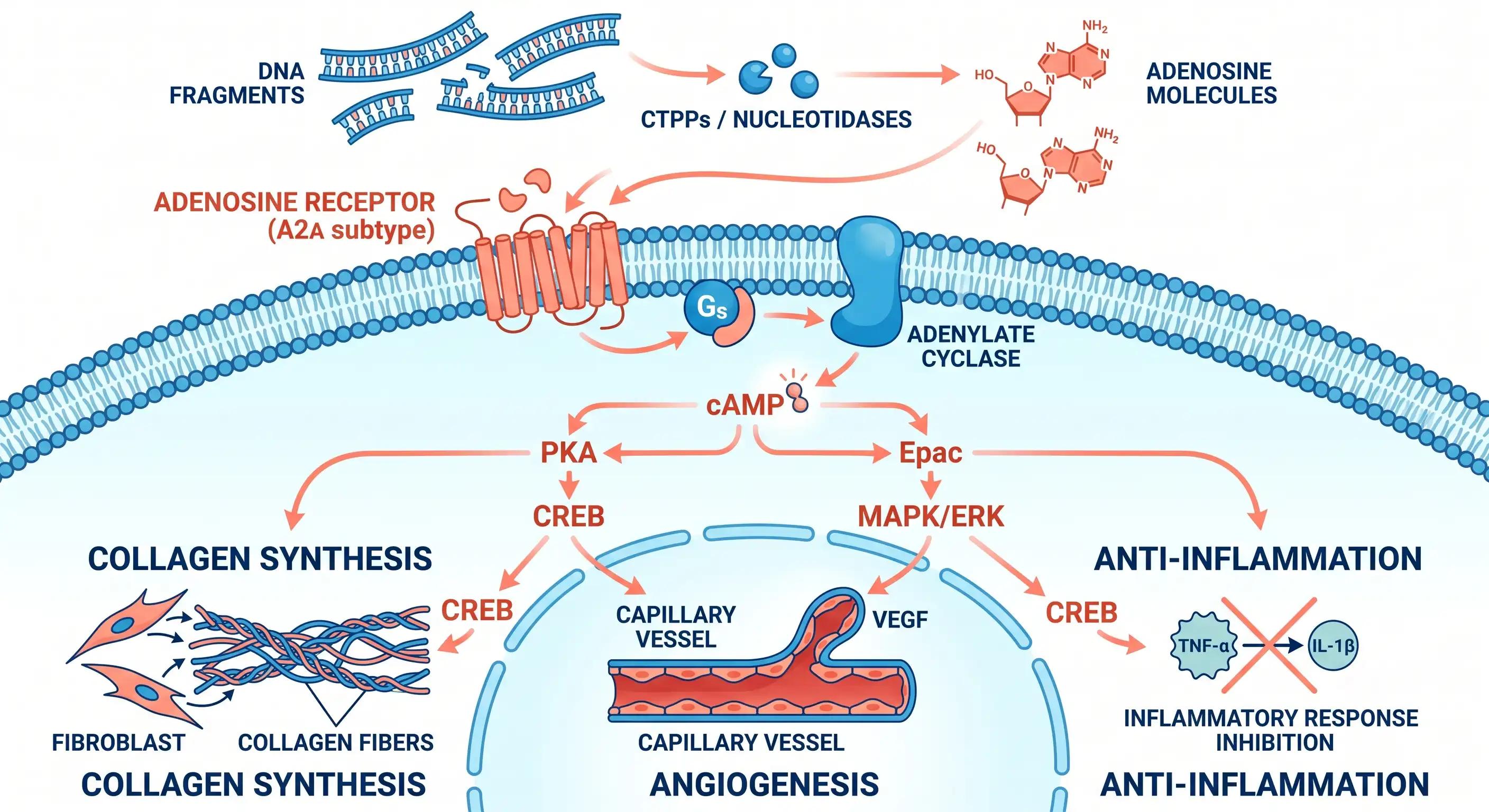
Here is how it works, step by step [1][3]:
PDRN enters tissue. When injected or applied topically (with appropriate delivery systems), PDRN DNA fragments encounter extracellular nucleases.
Enzymatic degradation. Nucleases cleave PDRN into smaller oligonucleotides, nucleosides, and free nucleotides. The enzyme CD73 (ecto-5'-nucleotidase) converts AMP to adenosine — the endogenous ligand for the A2A receptor.
A2A receptor binding. Adenosine binds to A2AR, a G-protein-coupled receptor expressed on fibroblasts, endothelial cells, and immune cells.
cAMP signaling cascade. A2AR activation triggers adenylyl cyclase, elevating intracellular cAMP, which then activates protein kinase A (PKA) and Epac2.
Downstream effects:
- Anti-inflammation: cAMP suppresses NF-κB translocation, reducing TNF-α, IL-6, and IL-1β production
- Pro-angiogenesis: Upregulates VEGF, promoting new blood vessel formation to deliver oxygen and nutrients to damaged tissue
- Fibroblast activation: Stimulates fibroblast proliferation and type I/III collagen synthesis
- Tissue remodeling: Upregulates TGF-β and IL-10, shifting the cellular environment from inflammation to repair
The Salvage Pathway (Nucleotide Recycling)
A secondary mechanism operates in parallel: PDRN fragments serve as raw material for the nucleotide salvage pathway, providing deoxyribonucleotides that cells can directly reincorporate into their own DNA synthesis and repair processes. This is especially valuable in metabolically stressed or damaged cells where de novo nucleotide synthesis is energetically expensive [1].
TLR9 Activation (Non-A2A Mechanism)
Recent research has identified a third mechanism: extracellular DNA from PDRN can be internalized and activate endosomal Toll-like receptor 9 (TLR9), stimulating TGF-β secretion (reported to increase approximately 4-fold) and promoting fibroblast proliferation through the NF-κB/Cyclin D1 axis. This pathway operates independently of A2AR and may explain some of PDRN's wound-healing potency beyond what adenosine signaling alone can account for [2].
PDRN in Skincare: 5 Evidence-Backed Benefits
1. Collagen Synthesis and Anti-Aging
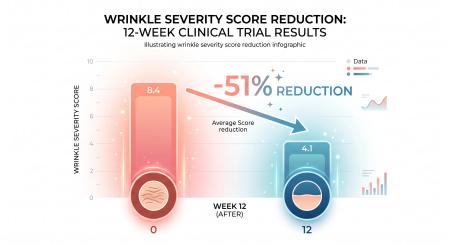
The most robust clinical evidence for PDRN comes from facial rejuvenation studies. In a key clinical trial of 218 Asian subjects treated with PDRN injections over 12 weeks, periorbital wrinkles decreased by 61.4%. In a separate randomized split-face trial, the PDRN-treated side showed significantly higher GAIS (Global Aesthetic Improvement Scale) scores at week 16 compared to HA filler alone, with greater skin roughness reduction at week 28 [2].
At the cellular level, PDRN activates fibroblasts via the A2AR → FAK → AKT pathway, increasing collagen type I and type III production — the two collagens most depleted in photoaged skin.
2. Wound Healing and Tissue Repair
PDRN's original medical indication remains one of its strongest applications. In a 216-patient double-blind RCT for diabetic foot ulcers, PDRN treatment (5.625 mg, intramuscular + perilesional injection, 8 weeks) achieved a 37.3% complete healing rate vs 18.9% for placebo (p = 0.0027) — a nearly 2-fold improvement [2].
For aesthetic purposes, this translates to post-procedure recovery: PDRN is increasingly used after microneedling, laser resurfacing, and chemical peels to accelerate epidermal repair and reduce downtime.
3. Skin Barrier Repair and Hydration
PDRN promotes angiogenesis (new blood vessel formation), improving microcirculation and nutrient delivery to the dermis. Clinical studies consistently report measurable improvements in skin hydration as an early treatment effect, typically within 2–4 weeks of topical use. The combination of improved microcirculation and increased hyaluronic acid synthesis in fibroblasts contributes to sustained barrier function enhancement.
4. Anti-Inflammatory Action
PDRN suppresses NF-κB signaling — a master regulator of inflammation — reducing the downstream production of TNF-α, IL-6, and IL-1β. This mechanism is particularly relevant for sensitive skin conditions, rosacea-prone skin, and post-inflammatory hyperpigmentation, where chronic low-grade inflammation drives visible skin deterioration. Unlike corticosteroids, PDRN achieves anti-inflammatory effects without immune suppression [1].
5. Hyperpigmentation Improvement
PDRN has shown effects on melanogenesis regulation. While the mechanism is less characterized than its collagen and wound-healing pathways, clinical observations and patient-reported outcomes in Korean aesthetic studies note improvements in skin tone evenness and post-inflammatory hyperpigmentation following PDRN treatment regimens [3].
PDRN Injections vs. Topical PDRN: What Actually Works?
One of the most common questions about PDRN is whether topical serums can deliver the same benefits as injectable treatments. The answer depends on what you are measuring.
Injectable PDRN
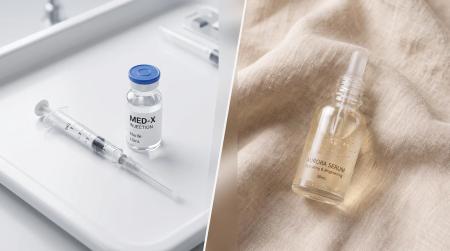
Injectable PDRN (sold as skin boosters like Rejuran Healer® or Nucleofill®) delivers DNA fragments directly into the dermis at concentrations typically ranging from 5.625 to 20 mg per treatment session. This bypasses the stratum corneum barrier entirely, producing the highest local concentration at the site of fibroblast activity.
Clinical data from injectable PDRN studies demonstrate:
- Periorbital wrinkle reduction: up to 61.4% at 12 weeks
- Skin elasticity: measurable improvement at 4–8 weeks
- Skin roughness: significant reduction at 16–28 weeks
- Treatment cost: $200–500 per session, typically 3–4 sessions spaced 2–4 weeks apart
Topical PDRN
Topical PDRN faces the challenge of epidermal barrier penetration. DNA fragments of 50–1,500 kDa are large molecules by cosmetic standards. However, formulation technology — including liposomal encapsulation, peptide carrier systems, and microneedle-assisted delivery — can significantly enhance cutaneous absorption.
Topical PDRN serums and creams offer:
- Gradual, cumulative improvements in hydration, texture, and firmness
- Consistent daily exposure rather than intermittent bolus dosing
- Lower cost ($15–60 per product), broader accessibility
- Compatibility with home-use routines — no clinical visits required
- Post-procedure synergy: topical PDRN applied after microneedling or laser treatment benefits from temporarily compromised barrier function for deeper penetration
The clinical consensus is that injectable PDRN provides faster, more dramatic results, while topical PDRN offers accessible, maintenance-level benefits that complement professional treatments.
Is PDRN Safe?
PDRN has one of the strongest safety profiles in aesthetic dermatology. The safety evidence spans over 20 years of clinical use, multiple systematic reviews, and thousands of treated patients.
Key safety data [1][2]:
- The large 216-patient diabetic ulcer RCT reported zero serious systemic adverse events — only mild, transient injection-site reactions (18 patients reported localized itching)
- A 218-subject facial rejuvenation study reported only minor and temporary injection-site reactions (swelling, pain, bruising, itching, erythema)
- A 28-subject scalp injection study reported zero allergic reactions, infections, bleeding, or scarring
- No cases of anaphylaxis, granuloma formation, or vascular occlusion have been attributed to PDRN monotherapy
- Mammalian DNA — including purified salmon DNA — has inherently low immunogenicity due to CpG suppression
Contraindications
PDRN is contraindicated only in individuals with known hypersensitivity to fish-derived products or any component of the formulation. Pregnant and breastfeeding individuals should consult a physician, as safety data in these populations is limited (standard precaution, not due to any documented adverse events).
PDRN for B2B Buyers: What Brands and Formulators Need to Know
If you are sourcing PDRN for cosmetic or cosmeceutical formulation, here are the critical decision points:
1. Source Matters: Salmon vs. Vegan
Salmon-derived PDRN remains the clinical gold standard with 20+ years of published evidence. It is extracted from O. keta or O. mykiss sperm, with purity typically >95% and molecular weight in the 50–1,500 kDa range.
L-PDRN (vegan/microbial) is an emerging alternative extracted from Lactobacillus rhamnosus fermentation. It produces smaller DNA fragments (<100 bp), demonstrating superior antioxidant activity and cell protection in laboratory studies. However, it lacks the human clinical trial data that salmon PDRN has accumulated. Vegan PDRN is positioned for brands targeting the clean beauty and cruelty-free market segments.
For GINKVORA's bulk PDRN powder supply, we offer cosmetic-grade salmon-derived PDRN with verified purity and chain-length specifications. Contact our team for COA and TDS documentation.
2. Purity and Quality Specifications
When evaluating PDRN suppliers, request:
- OD 260/280 ratio (target: 1.8–2.0, indicating pure DNA)
- Molecular weight distribution (gel electrophoresis or HPLC profile)
- Protein content (<5%)
- Heavy metals and microbial limits
- Residual solvent analysis
3. Formulation Considerations
- pH stability: PDRN is stable at pH 6–8; avoid strongly acidic formulations
- Temperature: PDRN degrades above 190°C in dry state, but is stable under standard cosmetic manufacturing temperatures (<80°C)
- Solubility: Water-soluble — incorporate into aqueous phase
- Compatibility: Compatible with HA, peptides, niacinamide, panthenol, glycerin
- Delivery enhancement: Consider liposomal encapsulation or penetration enhancers for topical formulations, as PDRN's molecular weight presents a penetration challenge
- Preservative systems: Standard cosmetic preservatives are compatible; PDRN does not require special preservation beyond normal good manufacturing practice
4. Regulatory Status
PDRN is approved as a medical device or pharmaceutical in South Korea (MFDS), Europe (CE-mark), and several other markets. In the United States, PDRN is used in cosmetic formulations as "sodium DNA" or "hydrolyzed DNA" (INCI nomenclature). Always verify the regulatory pathway for your specific formulation and target market.
Source pharmaceutical-grade PDRN bulk powder from GINKVORA — available for cosmetic, cosmeceutical, and research applications with full documentation support.
Related Articles
- Glabridin 12-Week Skin Transformation Timeline — Another evidence-backed ingredient with published clinical data on skin brightening and collagen protection
- EGCG 98% Purity vs Green Tea Extract — How ingredient purity specifications affect cosmetic formulation outcomes
- Glabridin: 16× Stronger Than Kojic Acid for Whitening — Comparative clinical performance data for another high-purity cosmetic active
References
Squadrito F, Bitto A, Irrera N, et al. Pharmacological Activity and Clinical Use of PDRN. Frontiers in Pharmacology. 2017;8:224. https://doi.org/10.3389/fphar.2017.00224
Khan A, Wang G, Zhou J, et al. Polydeoxyribonucleotide: A Promising Skin Anti-Aging Agent. Chinese Journal of Plastic and Reconstructive Surgery. 2022;4(4):187-193. https://doi.org/10.1016/j.cjprs.2022.11.003
Squadrito F, Bitto A, Irrera N, et al. Pharmacological Activity and Clinical Use of PDRN. Current Pharmaceutical Design. 2017;23(27):3948-3957. https://doi.org/10.2174/1381612823666170516153716
Lee JH, Han JS, Kong HH, et al. Recent Advances on Polydeoxyribonucleotide Extraction and Its Novel Applications in Cosmeceuticals. International Journal of Biological Macromolecules. 2024;283:137852. https://doi.org/10.1016/j.ijbiomac.2024.137852
Seo WS, Kang DJ, Chae DB, et al. First Report on Microbial-Derived Polydeoxyribonucleotide: A Sustainable and Multifunctional Alternative to Salmon PDRN. Current Issues in Molecular Biology. 2025;47(1):41. https://doi.org/10.3390/cimb47010041
Veronesi F, Dallari D, Sabbioni G, et al. Polydeoxyribonucleotides (PDRNs): From Physical Chemistry to Biological Activities and Clinical Applications. International Journal of Molecular Sciences. 2017;18(9):1927. https://doi.org/10.3390/ijms18091927
Kim TH, Kim JY, Bae JH, et al. Biostimulatory Effects of Polydeoxyribonucleotide for Facial Skin Rejuvenation. Journal of Cosmetic Dermatology. 2019;18(6):1767-1773. https://doi.org/10.1111/jocd.12958